When you step back and look at how parenting has changed over the last decade, something becomes quietly obvious:
Sustainability didn’t arrive as a trend — it arrived as a response.
Most parents don’t wake up thinking about sustainability. They start with simple concerns. A newborn develops unexplained skin irritation. A onesie loses shape after three washes. A drawer fills with barely worn baby clothes that feel wasteful to throw away but impractical to store.
Over time, these small experiences reshape how parents think about what they buy.
Sustainable baby clothing sits at the intersection of those realizations. It’s less about following a movement and more about aligning everyday purchases with health, durability, and responsibility.
That’s why it isn’t fading.
It’s becoming the new standard.
What Does Sustainable Baby Clothing Really Mean?
- On your baby’s sensitive skin
- In your laundry routine
- Over months of repeated wear
- And eventually beyond your home
It’s about how clothes behave:
- Organic or responsibly sourced materials
- Breathable fabrics that feel soft from the start
- Durable construction that holds shape
- Timeless designs that can be reused or passed down
- Manufacturing processes that respect both people and planet
At its core, sustainable baby clothing means:
This isn’t about perfection.
It’s about reducing unnecessary harm in a category where clothing sits against delicate skin for hours every day.
Best product links:
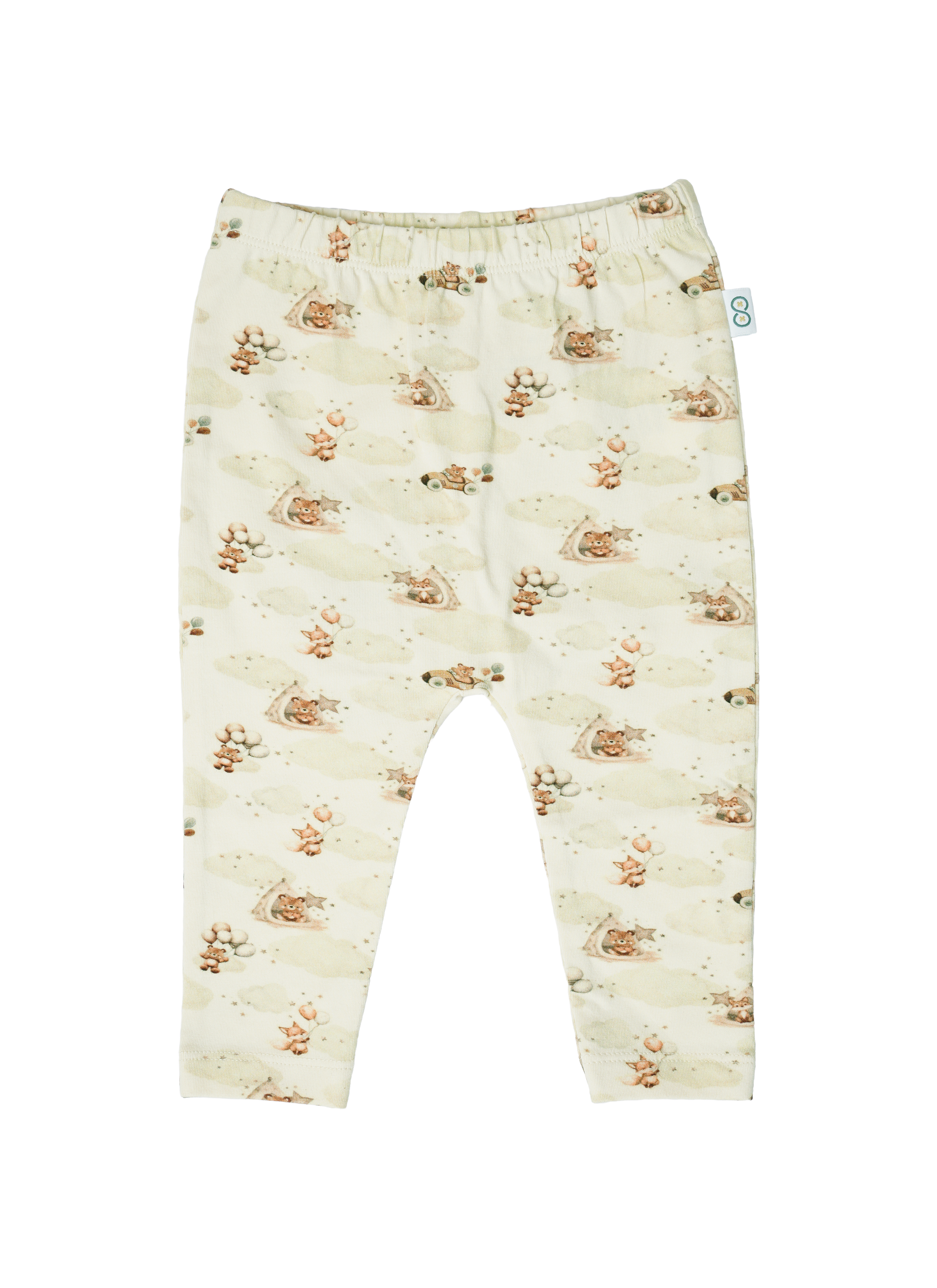
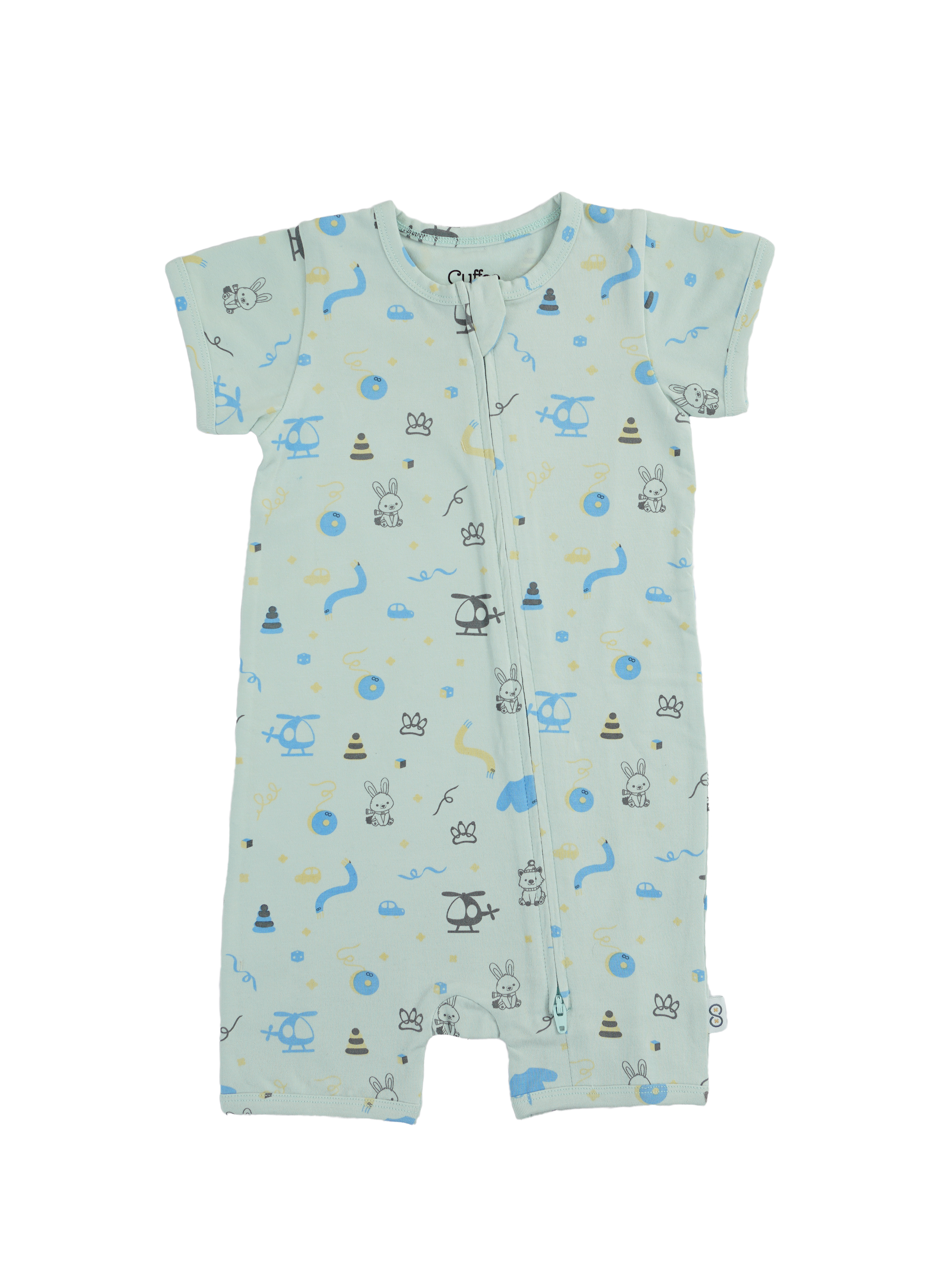
Why Sustainability Is More Than a Trend
Trends are driven by novelty.
Sustainability in baby clothing is driven by necessity.
- Comfort
- Consistency
- Gentle materials
- Clothing that moves with growth
Babies don’t care about seasonal styles. They need:
- Increased awareness around skin sensitivity
- Rising concern about waste
- A desire for long-term value over fast replacements
Parents in both the USA and Canada are also navigating:
When something consistently solves real problems, it stops being a trend.
It becomes a standard.
Key Benefits of Sustainable Baby Clothing
The benefits don’t usually show up in dramatic ways. They appear quietly over weeks and months.
- Softer fabrics that feel gentle on delicate skin
- Better breathability and temperature comfort
- Fewer unexplained irritations
For babies:
- Clothes that maintain shape after repeated washing
- Fewer emergency replacements
- Less waste during fast growth stages
- Better cost-per-wear over time
For parents:
Many families eventually realize they’re buying fewer pieces — and feeling more confident about the ones they choose.
Eco-Friendly Baby Clothes: Benefits for Babies and the Planet
There’s a simple truth many parents discover naturally:
What’s gentler on the planet is often gentler on babies.
Durable garments reduce constant replacement.
Timeless pieces stay in circulation longer.
Organic cotton baby clothes reduce reliance on intensive conventional farming.
Sustainability isn’t about sacrificing convenience.
It’s about choosing systems that create less strain — on your baby, your household, and the world they’ll grow into.
The Environmental Impact of Conventional Baby Clothing
Baby clothing has a surprisingly large footprint.
- Worn only a handful of times
- Replaced repeatedly within the first year
- Discarded long before their material life is over
Because babies grow quickly, conventional baby clothes are often:
This cycle adds up.
Millions of garments are produced, briefly worn, and discarded - even though many could have lasted much longer.
Sustainable baby clothing disrupts this cycle by prioritizing durability and thoughtful design over speed and volume.
How Fast Fashion Affects Babies and the Environment
Fast fashion is built on speed.
That model doesn’t align well with babyhood.
- Fabrics thinning quickly
- Shape loss after washing
- Softness fading
To produce clothing quickly and at scale, fast-fashion baby garments often prioritize appearance over longevity. Over time, parents may notice:
Baby clothes are washed more frequently than almost any other clothing category. Durability isn’t a luxury - it’s practical.
Is Sustainable Baby Clothing Worth the Cost?
This is one of the most common questions.
At first glance, sustainable baby clothing can cost more upfront.
But when you evaluate value over time, the perspective shifts.
- Lasts through multiple washes
- Maintains softness
- Can be passed to a sibling
- Or resold
A well-constructed organic cotton bodysuit that:
Often replaces several lower-quality alternatives.
Cost per wear drops.
Waste drops.
Frustration drops.
This isn’t about spending more.
It’s about spending with intention.
Organic vs Sustainable: What’s the Difference?
These terms are often used interchangeably, but they’re not identical.
Organic refers to how fibers like cotton are grown — without synthetic pesticides or genetically modified seeds.
- Fiber sourcing
- Processing standards
- Manufacturing responsibility
- Durability
- Long-term usability
Sustainable looks at the entire lifecycle of the garment:
Organic is part of sustainability — but sustainability goes beyond farming practices.
How GOTS Certification Supports Sustainability
In a market filled with vague claims, certification matters.
The Global Organic Textile Standard (GOTS) is widely recognized as one of the most respected standards for organic textiles worldwide.
- Organic fibers are properly sourced
- Processing meets strict global environmental and safety standards
- Manufacturing facilities are independently audited
- Ethical labor standards are upheld
Rather than relying on brand promises alone, GOTS certification verifies that:
Most importantly, certification means parents don’t have to investigate supply chains themselves.
There is third-party accountability.
That reassurance matters — especially for clothing worn close to newborn skin.
Why GOTS Is Considered a Gold Standard
GOTS certification follows the garment’s journey from raw fiber to finished product.
- Verified organic fiber content
- Responsible processing practices
- Ongoing third-party inspections
- Transparent standards across the supply chain
It focuses on:
For many parents in the USA and Canada, GOTS-certified baby clothing represents peace of mind - not just a label.
Sustainable Baby Clothing in Canada
- Strong hand-me-down culture
- Growing awareness around product transparency
- Preference for durable clothing that lasts through seasons
In Canada, sustainability often aligns with:
Parents value baby clothes that can move from sibling to sibling - especially during long winters when layering and comfort matter most.
Sustainable Baby Clothing in the USA
- Expanding access to certified organic baby clothes
- Growing interest in transparency and responsible production
- The rise of resale and circular baby clothing platforms
In the United States, sustainability is increasingly shaped by:
Across regions, the motivation is similar:
Safer materials.
Better long-term value.
Less waste during a phase of rapid growth.
A Future That’s Already Taking Shape
Sustainable baby clothing isn’t the future because brands say it is.
It’s the future because parents are already choosing it.
Not out of trend-driven excitement.
But out of thoughtful care.
Modern parenting is intentional. It balances comfort, responsibility, and long-term thinking.
When clothing aligns with those values - it stays.
And that kind of shift doesn’t disappear.