One of the most common questions first-time moms ask during pregnancy is “When should I pack my hospital bag?” The answer isn’t the same for everyone, but waiting until the last minute can add unnecessary stress during an already emotional time.
Packing your hospital bag early - and doing it in stages - helps you feel calm, prepared, and in control as your due date approaches. This week-by-week checklist is designed specifically for first-time moms in the USA and Canada, based on real hospital guidelines and common parent experiences.
Why Packing Your Hospital Bag Early Matters
- Labor doesn’t always follow the calendar, and many babies arrive earlier than expected, especially between weeks 36 and 38.
- Packing gradually helps avoid panic-packing, forgotten essentials, and last-minute shopping.
- Hospitals may provide basics, but comfort items, baby clothing, and personal care products are often left to parents.
- Being prepared gives peace of mind to both mom and partner during the final weeks of pregnancy.
Best product links:
When to Pack Your Hospital Bag: Week-by-Week Guide
Weeks 28–30: Start Planning, Not Packing
- Begin researching what your hospital provides and what you’re expected to bring for yourself and your baby.
- Create a master newborn hospital bag checklist that includes items for mom, baby, and partner.
- Decide how many bags you’ll pack - most parents choose one bag for mom, one for baby, and a smaller support bag.
- Start setting aside items you already own, such as loose clothing, chargers, and baby essentials.
This stage is about preparation, not stuffing bags yet.
This phase helps you stay organized without feeling rushed.
Weeks 31–33: Begin Packing Non-Essentials
- Add postpartum items for mom such as nursing bras, comfortable socks, slippers, and toiletries.
- Pack paperwork including insurance details, ID copies, and hospital forms.
- Include comfort items like lip balm, hair ties, and skincare products.
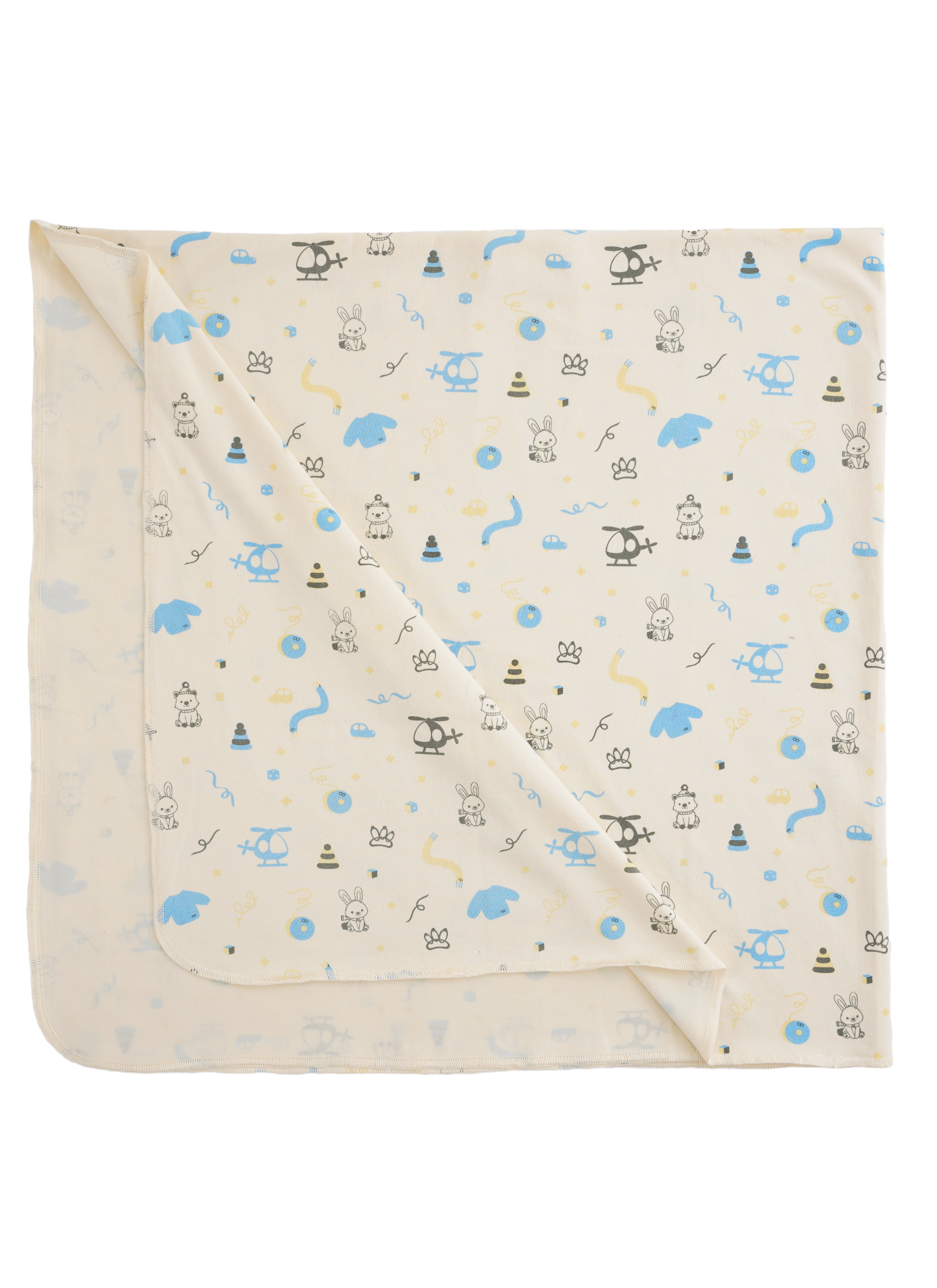
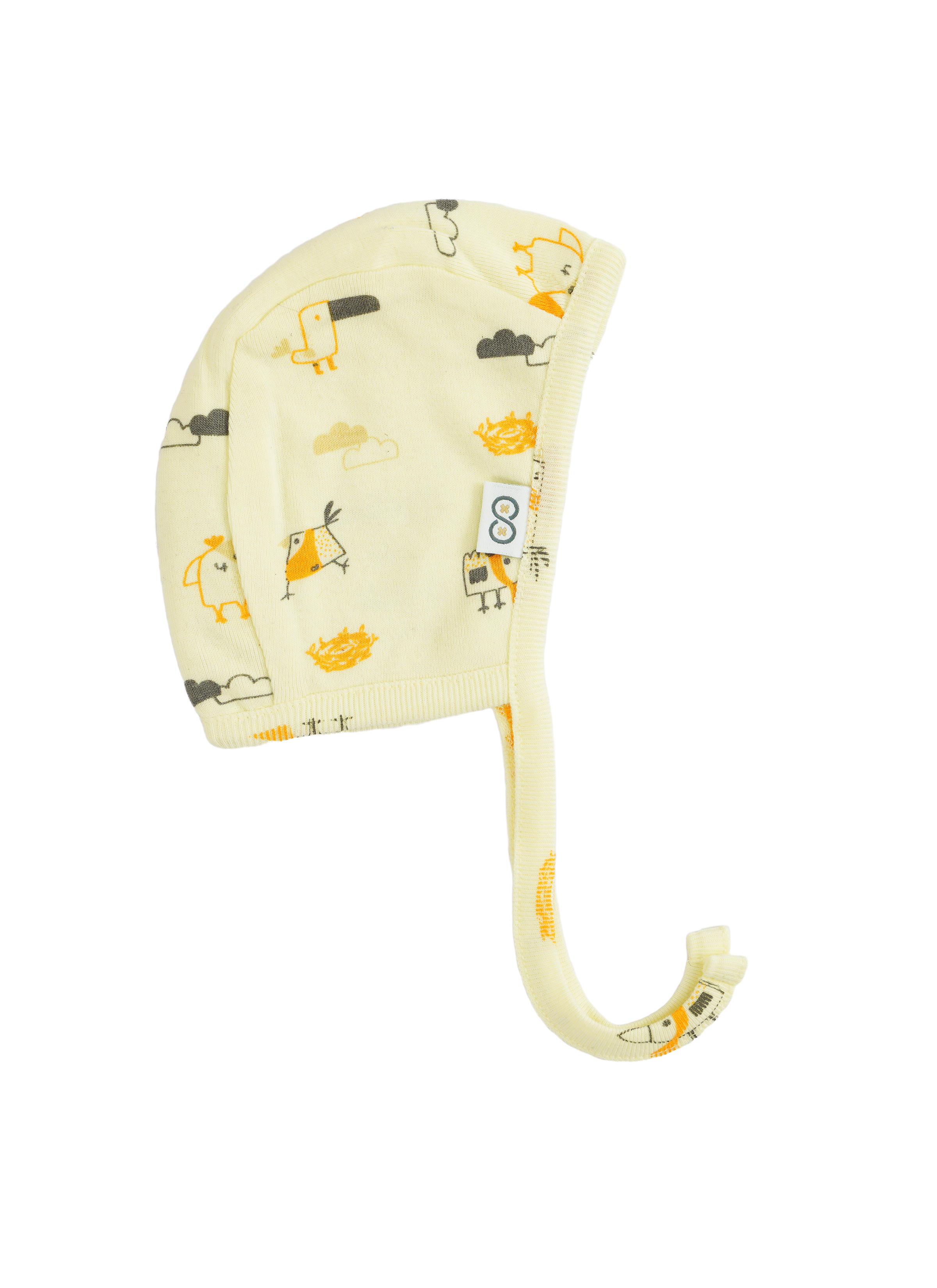
- Begin packing newborn essentials that aren’t used at home, such as mittens, hats, and swaddles.
This is the ideal time to start packing items you won’t need daily.
At this stage, your hospital bag should be about 40–50% packed.
Weeks 31–33: Begin Packing Non-Essentials
- Pack baby clothes in newborn and 0–3 month sizes, as babies vary in size.
- Choose soft, breathable fabrics, especially organic cotton, to protect newborn skin.
- Include a going-home outfit that’s weather-appropriate.
- Add diapers, wipes, and diaper cream if your hospital suggests bringing them.
- Prepare a small diaper bag checklist for newborn items you may need after discharge.
Now it’s time to focus more on your newborn hospital bag.
This is also a good time to wash baby clothes using a gentle, fragrance-free detergent.
Weeks 36–37: Pack Daily-Use Items Last
- Add daily-use personal items such as your phone charger, glasses, toothbrush, and skincare.
- Pack comfortable clothing for labor and recovery, including loose pajamas and a robe.
- Include nursing pillows, breastfeeding supplies, or formula essentials if planned.
- Make sure your newborn hospital packing list is complete and easy to access.
By now, labor could happen anytime.
At this point, your hospital bag should be fully packed and placed near the door.
Week 38 and Beyond: Final Check & Backup Plan
- Double-check your hospital checklist to ensure nothing is missing.
- Prepare a backup list for your partner in case something needs to be grabbed last minute.
- Keep your diaper bag ready for newborn outings after discharge.
- Reconfirm hospital policies, parking plans, and emergency contacts.
These final weeks are about reassurance and readiness.
Being ready early means fewer worries and more focus on welcoming your baby.
Common Mistakes First-Time Moms Make When Packing a Hospital Bag
- Waiting until contractions start to pack essentials.
- Overpacking unnecessary items while forgetting basics like chargers or baby clothes.
- Packing clothes that aren’t comfortable or practical after delivery.
- Not preparing a newborn essentials hospital bag separately.
Learning from other parents’ experiences can save time and stress.
How Cuffoo Fits Into Your Newborn Hospital Bag
- Cuffoo’s GOTS-certified organic baby clothing is ideal for hospital stays because it’s soft, breathable, and gentle on newborn skin.
- Organic cotton helps reduce exposure to harsh chemicals during your baby’s first days.
- Neutral, functional designs make dressing and diaper changes easier for new parents.
Choosing safe, certified clothing is one less thing to worry about during delivery.
Final Thoughts for First-Time Moms
- The best time to pack your hospital bag is gradually, starting around week 30 and finishing by week 36.
- A week-by-week checklist helps prevent stress and last-minute scrambling.
- Focus on comfort, safety, and practicality rather than packing everything you own.
- Preparing early allows you to focus on what truly matters - meeting your baby.