Summer brings longer days, golden light, and the joy of watching your little one experience warmth for the first time. But for parents of babies with sensitive or reactive skin, the warmer months also bring a quiet concern - how do you keep your infant comfortable when heat, sweat, and fabric friction are working against you?
The right clothing choice in summer makes a real difference. Not just for comfort, but for your baby's overall skin health throughout the season. This guide walks you through what to look for, what to avoid, and why fabric quality matters more in summer than any other time of year.
Why Summer Is a Challenging Season for Babies with Sensitive Skin
Newborns and infants have skin that is significantly thinner and more permeable than adult skin. Their temperature regulation system is still developing, which means they heat up faster, sweat more easily, and are more prone to friction-related irritation.
For babies already dealing with sensitive or eczema-prone skin, summer conditions can intensify existing discomfort. Heat increases perspiration. Perspiration trapped against the skin can trigger flare-ups. Rough or synthetic fabrics add friction to already reactive areas.
This is not about fear; it is simply about understanding your baby's biology so you can make smarter choices when building their summer wardrobe.
What to Look for in Summer Baby Clothing
When selecting summer clothes for a baby with sensitive skin, three principles should guide every choice: breathability, softness, and simplicity.
- Breathability is the single most important quality in summer baby clothing. Fabrics that trap heat and moisture create the exact conditions that aggravate sensitive skin. Natural fibers - particularly organic cotton - allow air to circulate, wick mild moisture, and keep your baby's skin temperature regulated.
- Synthetic fabrics like polyester or nylon are not designed with infant skin in mind. They trap heat, reduce airflow, and can cause friction on delicate areas. For summer baby skin care clothing, natural always outperforms synthetic.
1. Breathable, Natural Fabrics
- Tight clothing restricts airflow and increases skin friction - two things you want to minimize in warmer months. Loose-fitting bodysuits, relaxed rompers, and lightweight shorts allow air to move freely around your baby's body.
- This is especially relevant when dressing babies with eczema in summer. Tight waistbands, snug sleeves, and close-fitting necklines can all create friction points that irritate sensitive skin. Opt for relaxed cuts with soft, stretchy construction wherever possible.
2. Loose, Lightweight Fits
- Decorative stitching, raised seams, and scratchy labels are common hidden irritants in baby clothing. For sensitive skin, the inside of a garment matters as much as the outside. Look for flat-lock seams, tagless designs, and clean interior finishing when choosing the best clothes for eczema-prone infants.
3. Minimal Seams, Tags, and Embellishments
Best product links:
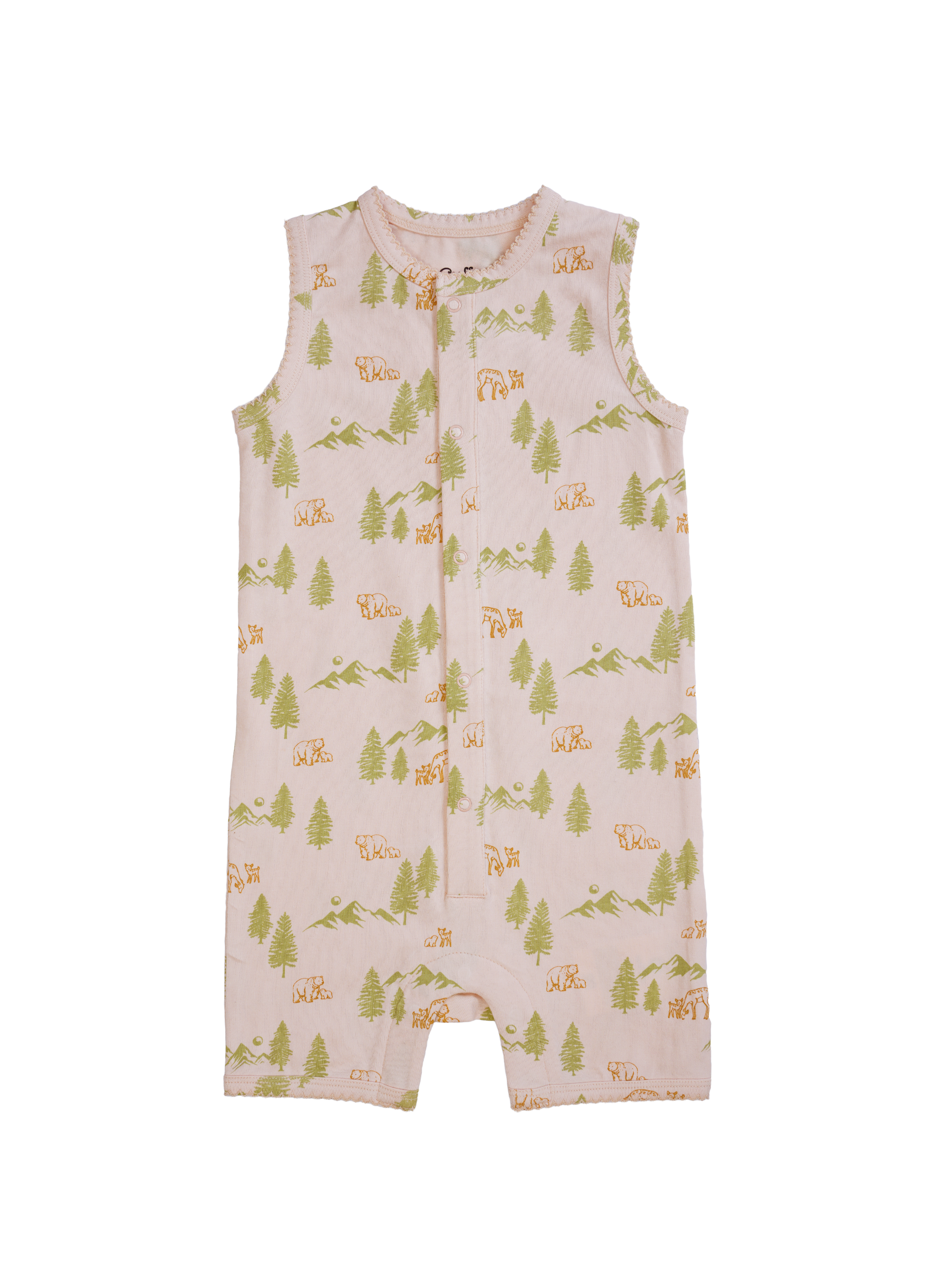
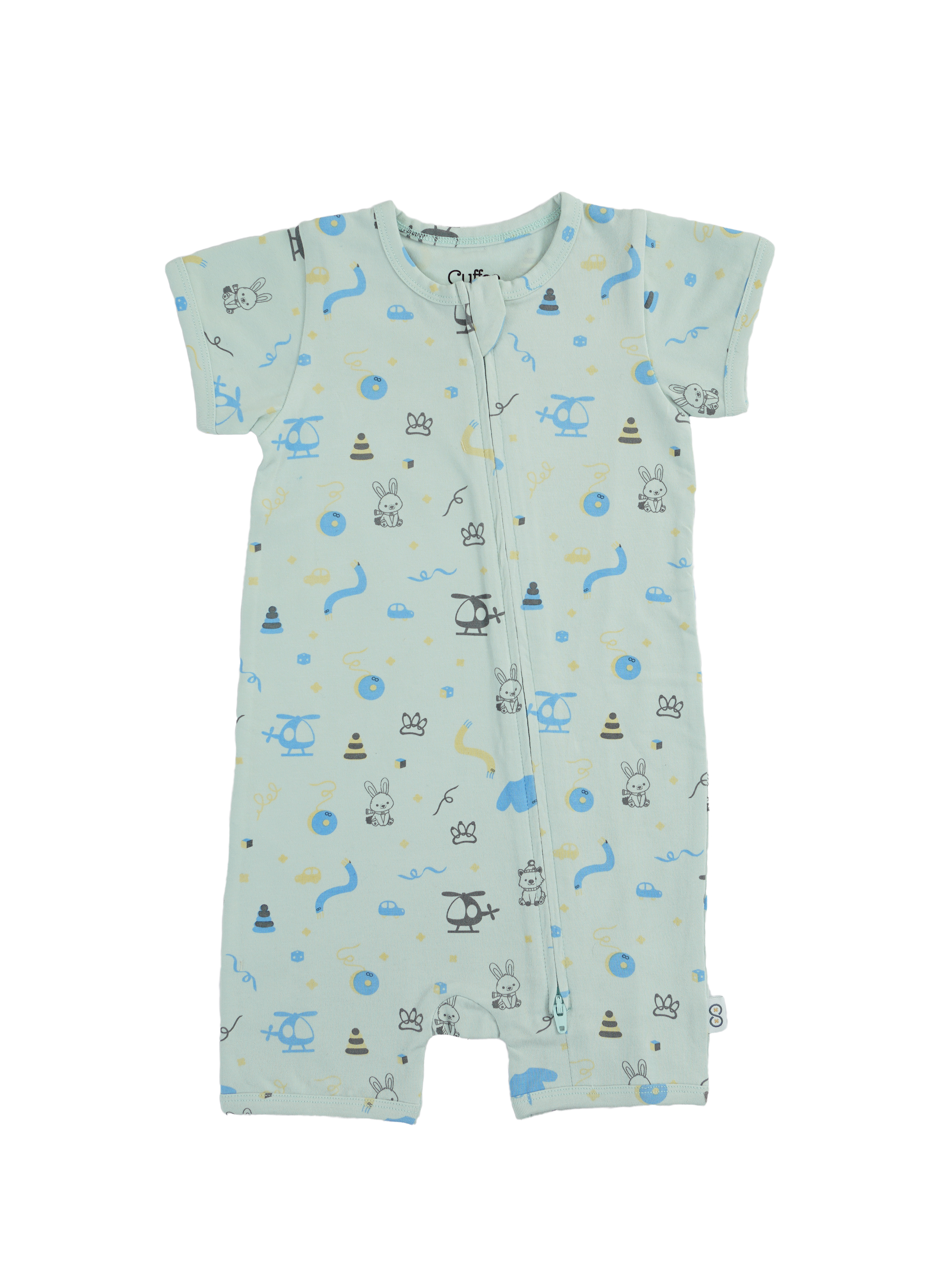
Organic Cotton - The Right Fabric for Sensitive Baby Skin in Summer
Among all fabric options available for infant clothing, organic cotton consistently stands out as the most appropriate choice for sensitive skin - particularly in summer.
- Grown without synthetic pesticides and fertilizers. Conventional cotton farming relies heavily on synthetic agricultural inputs. Organic cotton is grown under certified conditions that exclude these synthetic treatments, resulting in a fiber that is cleaner at the source.
- Naturally breathable. Cotton's fiber structure allows air circulation, which helps regulate body temperature - an important quality when dressing a baby in warm weather.
- Soft and gentle on delicate skin. Organic cotton is processed with fewer harsh chemical treatments than conventional cotton, which contributes to a softer, more consistent texture that sits gently against infant skin.
- Suitable for daily washing. Summer means more outfit changes. Organic cotton holds up well through regular washing cycles without significant degradation in softness or structure, provided it is cared for with a gentle, fragrance-free detergent.
Here is what makes it well-suited:
For parents managing summer clothes for an eczema baby, organic cotton is widely considered a reliable starting point when evaluating fabric choices. It does not claim to treat or prevent eczema - but its breathable, low-friction properties make it a thoughtful everyday choice.
What GOTS Certification Means for Your Baby's Summer Wardrobe
When shopping for organic baby clothing for eczema-prone or sensitive skin, you will encounter the GOTS label — Global Organic Textile Standard. Understanding what it actually certifies helps you make genuinely informed decisions.
What’s gentler on the planet is often gentler on babies.
- The cotton was grown under certified organic agricultural standards
- The entire supply chain - from fiber to finished garment - meets defined environmental and social criteria
- The use of harmful chemicals in processing is restricted throughout production
- Independent third-party audits verify compliance at each stage
GOTS certification means:
What GOTS certification does not mean: it is not a medical certification, and it does not claim to treat, cure, or prevent any skin condition. What it does provide is a verified, traceable standard of production quality - which matters when you are choosing what sits against your infant's skin every day.
For parents seeking transparency in baby skin care clothing, GOTS certification is one of the most credible and independently verified markers available in the baby clothing market today.
Best Summer Clothing Pieces for Babies with Sensitive Skin
Building a practical summer wardrobe for a sensitive-skin baby does not need to be complicated. A few well-chosen, high-quality pieces cover most daily needs.
Organic Cotton Bodysuits and Onesies
The bodysuit is the workhorse of infant summer dressing. A short-sleeve organic cotton onesie provides coverage without excess fabric, allows movement, and keeps your baby's core comfortable. Look for snap closures at the bottom (rather than full zip fronts) and soft ribbed fabric with minimal interior seaming.
For babies with eczema, bodysuits are particularly useful because they provide a smooth, consistent fabric layer between skin and the outside world - reducing exposure to environmental irritants while keeping things breathable.
Lightweight Shorts and Bottoms
Eczema shorts and lightweight cotton pants in relaxed fits are ideal for warmer days. The key is avoiding tight elastic waistbands that can press into the skin at the abdomen and thighs. Wide, soft waistbands in gentle elastic or drawstring designs are significantly more comfortable for sensitive babies throughout the day.
Organic cotton shorts in simple, solid constructions give parents the most flexibility - easy to pair, easy to wash, and designed to move with your baby rather than restrict them.
Rompers and One-Pieces
A well-designed organic cotton romper is one of the most practical summer pieces in a baby's wardrobe. It eliminates the waistband friction point entirely, provides full-body coverage with minimal layers, and is easy to manage through nappy changes.
For summer dressing, look for rompers with short sleeves, open legs, and snap or button closures at the base. Avoid styles with decorative appliqué or raised embroidery on the inside of the garment - these can become friction points against sensitive skin.
Caring for Summer Baby Clothing
How you launder baby clothing matters as much as what you buy. In summer, more frequent outfit changes mean more washing cycles - which can gradually affect fabric quality and introduce irritants if you are not careful.
- Use a fragrance-free, gentle detergent. Fragrances and optical brighteners in conventional detergents are among the most commonly cited fabric-related triggers for sensitive baby skin. A fragrance-free, dye-free formula is the safer choice.
- Wash new clothing before first wear. Even organic garments benefit from a gentle pre-wash to remove any residual dust, packaging materials, or transit-related residue.
- Rinse thoroughly. An extra rinse cycle helps ensure detergent residue does not remain in the fabric against your baby's skin.
- Air dry where possible. High dryer heat can affect fabric softness over time. Air drying is gentler on both the fabric and any elastic components.
A few practical guidelines:
A Few Additional Thoughts for Summer Skin Care
- Keep clothing changes frequent when your baby is sweaty - moisture trapped against skin is a common discomfort trigger
- Dress in layers you can easily remove rather than one heavy layer
- Shade and timing matter - avoid peak heat hours for outdoor activity with young infants
- Moisturize consistently, particularly after bathing, to support the skin barrier through dry or air-conditioned environments
Clothing is one part of the picture. A few additional considerations for parents managing infant skin in summer:
If your baby has diagnosed eczema and you are managing a summer flare, always follow the guidance of your paediatrician or dermatologist. Clothing choices can support skin comfort, but medical management should always be led by a qualified healthcare professional.
Closing Thoughts
Dressing your baby well in summer is not about finding the perfect product - it is about understanding what genuinely supports your baby's comfort and skin health in warm conditions. Breathable fabrics, gentle construction, certified production standards, and thoughtful care routines form the foundation of a summer wardrobe that works.
Organic cotton baby clothes for eczema-prone skin, or simply sensitive skin, offer a practical and well-supported starting point. When backed by transparent certification like GOTS, they give parents something increasingly valuable in today's marketplace: clarity.
Cuffoo's summer collection is built on these principles - GOTS-certified organic cotton, thoughtful design, and a genuine commitment to what is best for your baby's skin, every day of the season.