If you’re a new parent-or about to become one-there’s a good chance you’ve found yourself staring at baby clothes labels at 2 a.m., wondering if you’re doing enough. Or too much. Or the wrong thing entirely.
Everyone says, “Just buy organic.” But then you notice another label: GOTS certified. And suddenly the questions start stacking up.
Is this actually safer for my baby?
Is organic enough, or is GOTS something different?
How do I know brands aren’t just using fancy words to charge more?
Take a breath. You’re not overthinking this. You’re being a careful parent-and that’s exactly who this conversation is for.
Let’s walk through what GOTS certified baby clothing really means, why it exists, and why it matters so much during those fragile newborn months.
What GOTS Certified Baby Clothing Actually Is
GOTS stands for Global Organic Textile Standard. That sounds technical, but the idea behind it is surprisingly simple.
Think of GOTS as a full-life background check for baby clothes.
Not just what the fabric is made from-but how it’s grown, processed, dyed, stitched, finished, and handled before it ever touches your baby’s skin.
- The cotton is grown organically, without toxic pesticides or GMO seeds
- The fabric is processed without harmful chemicals
- Workers involved are treated ethically
When baby clothing is GOTS certified, it means:
The entire supply chain is audited-not just one step
This is where many parents are surprised:
“Organic” on its own doesn’t guarantee all of this.
1.Best product links:
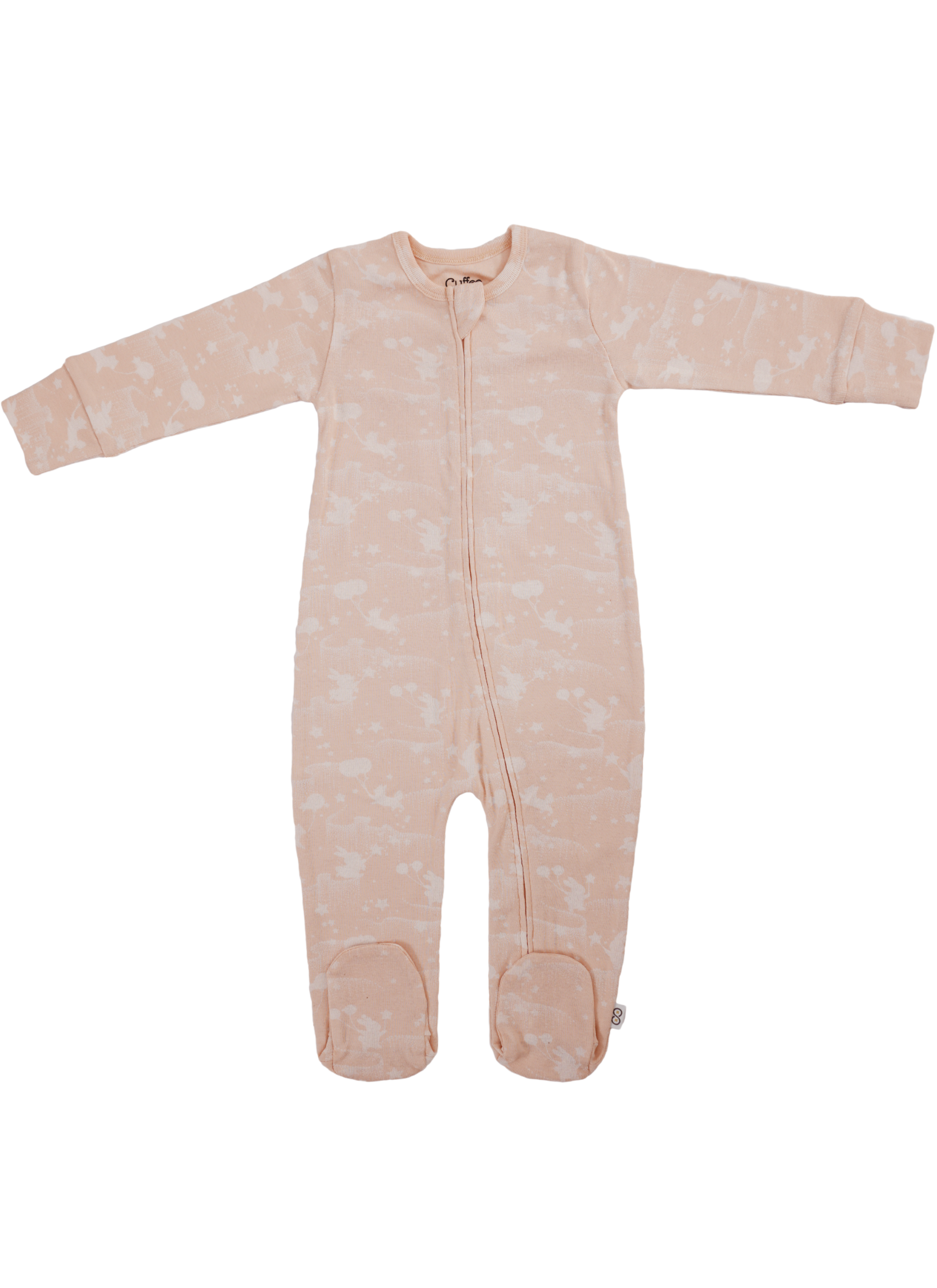
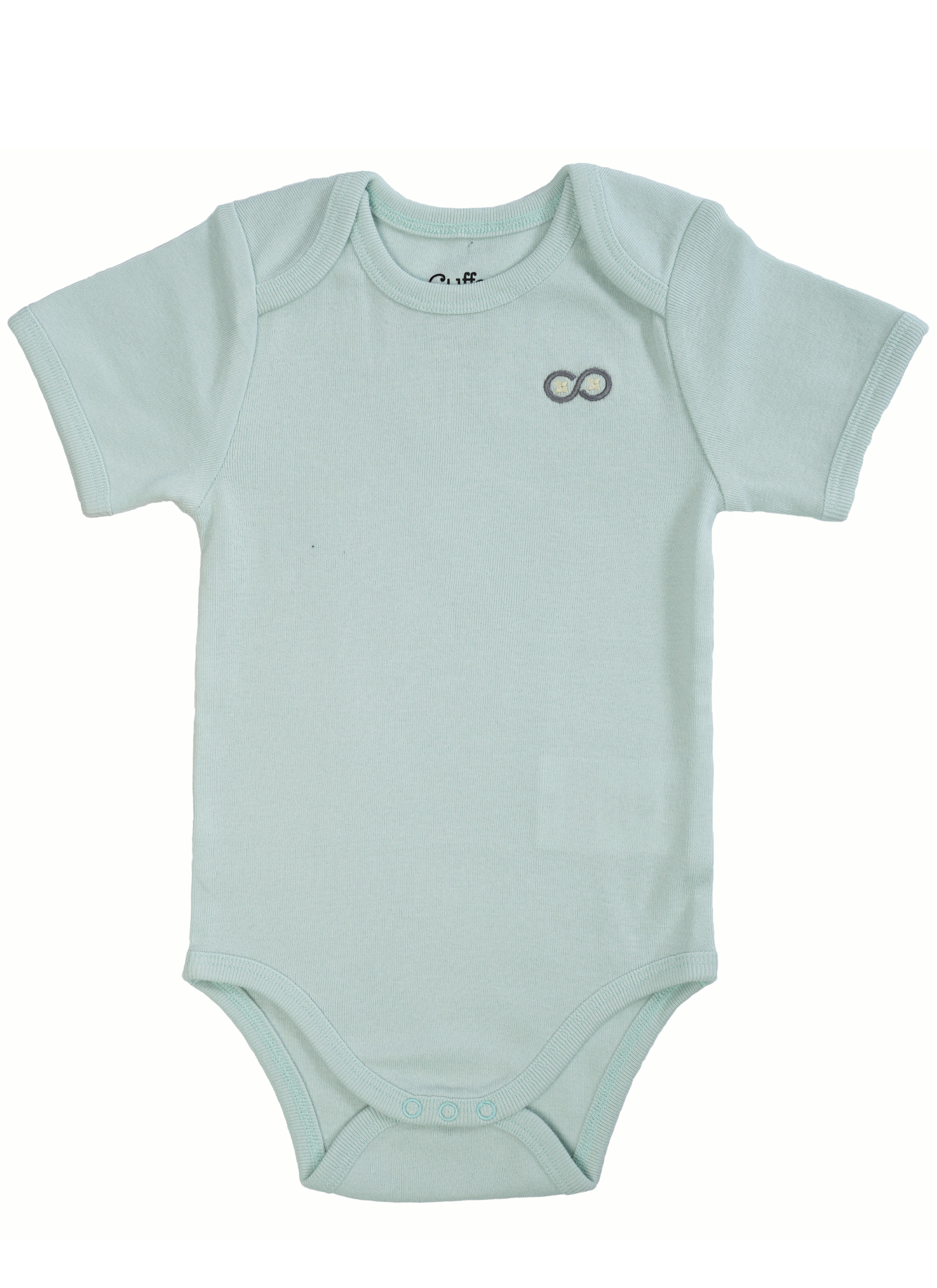
Why “Organic” Alone Isn’t Always Enough
This is where confusion usually happens.
- Made with organic cotton
- Natural fabric
- Eco-friendly baby wear
You’ll see phrases like:
And while those sound reassuring, they often tell only part of the story.
Here’s the key difference:
Organic cotton refers to how the cotton plant is grown.
GOTS certification covers everything that happens after it’s harvested.
That matters more than most people realize.
Cotton can start organic… and still be treated with harsh dyes, chemical softeners, or industrial finishes later.
GOTS exists because many parents didn’t know this was happening—and babies were paying the price with rashes, irritation, and unexplained skin issues.
GOTS vs Organic vs Non-Certified Baby Clothes
Let’s slow this down with a simple comparison.
| Feature | GOTS Certified | Organic (Non-GOTS) | Non-Certified |
|---|---|---|---|
| Organic cotton | Yes (minimum 70–95%) | Sometimes | Often no |
| Toxic dyes & finishes | Strictly prohibited | Not always regulated | Common |
| Chemical processing | Highly restricted | Varies by brand | Largely unregulated |
| Supply chain audits | Mandatory | Rare | None |
| Baby skin safety focus | High | Medium | Low |
This isn’t about being “perfect.”
It’s about reducing unnecessary risks where you reasonably can.
Why Newborn Skin Is So Different
Many parents don’t realize just how delicate newborn skin really is.
- Is thinner than adult skin
- Absorbs substances more easily
- Has an immature protective barrier
- Reacts faster to irritants
A baby’s skin:
This is why babies can develop redness, dryness, or eczema even when adults feel fine touching the same fabric.
- Eczema
- Cradle cap
- Frequent rashes
- “Sensitive skin” labels from pediatricians
For babies with:
GOTS certified baby clothes can make a noticeable difference—not because they’re magical, but because they remove common triggers.
Hidden Chemicals Parents Rarely Think About
When people hear “toxic chemicals,” they often imagine something extreme.
In reality, it’s more subtle.
- Formaldehyde finishes to prevent wrinkles
- Azo dyes linked to skin irritation
- Chlorine bleaching
- Synthetic softeners that coat fibers
Non-certified baby clothes may involve:
None of these are required for baby comfort. They exist to cut costs or speed up production.
GOTS certification bans or strictly limits these substances—especially in clothing meant for infants.
- Feel softer without artificial coatings
- Stay gentle after multiple washes
- Cause fewer unexplained skin reactions
This is why many parents notice that GOTS certified baby clothes:
Is GOTS Certified Clothing Actually Safer for Newborns?
This is the question underneath all the others.
The honest answer:
It’s not about eliminating all risk. It’s about minimizing avoidable exposure.
- Pediatric dermatologists
- Parents managing eczema-prone skin
- Families looking to reduce chemical exposure in early development
GOTS certified baby clothing is widely recommended by:
It doesn’t promise perfection.
It promises transparency, accountability, and higher standards—which matters a lot when your baby can’t tell you what’s bothering them.
Common Mistakes Parents Make When Buying “Organic” Baby Clothes
You’re not alone if you’ve made one (or more) of these.
1. Trusting the word “organic” without checking certification
Many brands use the term loosely.
2. Assuming higher price means safer
Price doesn’t equal standards.
3. Ignoring dyes and prints
Even organic cotton can be printed with harsh inks if not certified.
4. Thinking newborns “won’t notice”
Their skin notices—even if they can’t explain it.
Learning this doesn’t mean you’ve done anything wrong. It means you’re learning fast.
How to Genuinely Check GOTS Certification
You don’t need a chemistry degree or supply chain background to verify this.
- Look for the GOTS logo, not just the word
- Check if the certification number is mentioned
- Avoid vague phrases like “GOTS-inspired” or “GOTS compliant”
Here’s a simple checklist parents can use:
If a brand is truly GOTS certified, they won’t hide it.
They’ll usually explain it clearly—because it’s not easy or cheap to earn.
What Parents in the USA and Canada Should Know
- Textile labeling laws vary by state/province
- “Organic” is not always regulated for clothing the way food is
- Many baby clothes are imported from regions with different chemical standards
In North America, GOTS certification is especially relevant because:
For parents in the USA and Canada, GOTS acts as a global benchmark—so you’re not relying on local loopholes or unclear claims.
Whether you’re shopping online or in-store, GOTS certification gives you a consistent safety baseline across borders.
So… Is GOTS Always Necessary?
Not every single baby item in your home needs to meet the highest standard on earth.
- Newborn everyday wear
- Clothes touching skin for long hours
- Sleepwear, onesies, bodysuits
- Babies with sensitive or reactive skin
But for:
Many parents feel GOTS certified baby clothing is a reasonable, reassuring choice—not because of fear, but because of clarity.
You’re choosing fewer unknowns during a stage when everything already feels unknown.
A Calm Word Before You Go
Parenthood comes with endless decisions. Some loud. Some quiet. Some deeply personal.
Choosing GOTS certified baby clothing isn’t about being “better” than other parents. It’s about choosing clearer information in a market full of vague promises.
If this helps you feel even slightly more confident dressing your baby tomorrow morning, then it’s done its job.
You’re paying attention.
You’re asking the right questions.
And that already makes you a good parent.