Most parents assume that baby clothes are automatically safe. After all, they’re made for babies - tiny humans with soft skin and big needs. It feels reasonable to trust that anything sold in a baby section has already been carefully checked.
Many parents are surprised to learn that this isn’t always the full picture.
This doesn’t mean you’ve done anything wrong. And it doesn’t mean you need to panic or throw out your baby’s wardrobe. The goal here isn’t fear - it’s awareness. Once you understand how baby clothes are made and treated, you can make calmer, more informed choices that fit your family, your values, and your budget.
Let’s talk honestly about what “hidden chemicals” in baby clothes really means, why babies are more sensitive than adults, and how parents can realistically reduce unnecessary exposure - without stress or guilt.
What Do We Mean by “Hidden Chemicals” in Baby Clothes?
When people hear the word chemicals, they often imagine something extreme or dangerous. In reality, most of the chemicals used in clothing are part of everyday manufacturing processes - things most of us never see or think about.
- Growing cotton
- Processing fibers
- Dyeing fabrics
- Softening or finishing garments
- Preventing wrinkles, shrinking, or mold during shipping
“Hidden chemicals” simply refers to substances that may be used during:
These chemicals aren’t always listed on labels, and they don’t necessarily make clothes unsafe by default. But for babies - especially newborns - repeated exposure can matter more than many parents realize.
What Chemicals Are Commonly Found in Baby Clothes?
Not all baby clothes contain the same substances, and not all chemicals carry the same level of concern. That said, some commonly used textile chemicals show up more often in non-organic and non-certified clothing.
- Formaldehyde-based finishes - used to reduce wrinkles and prevent mildew
- Azo dyes - synthetic dyes that help colors stay bright
- Bleaching agents - used to create bright whites
- Softening chemicals - added to make fabrics feel smoother quickly
- Fixatives and resins - used to help prints and colors last
Here are a few parents often ask about:
Many of these are tightly regulated, but “regulated” doesn’t always mean “best for baby skin.”
Why Babies Are More Vulnerable to Chemical Exposure
Babies aren’t just smaller adults. Their bodies work differently - especially in the first 18 months.
- Is thinner and more absorbent
- Loses moisture faster
- Has a developing protective barrier
A baby’s skin:
Best product links:
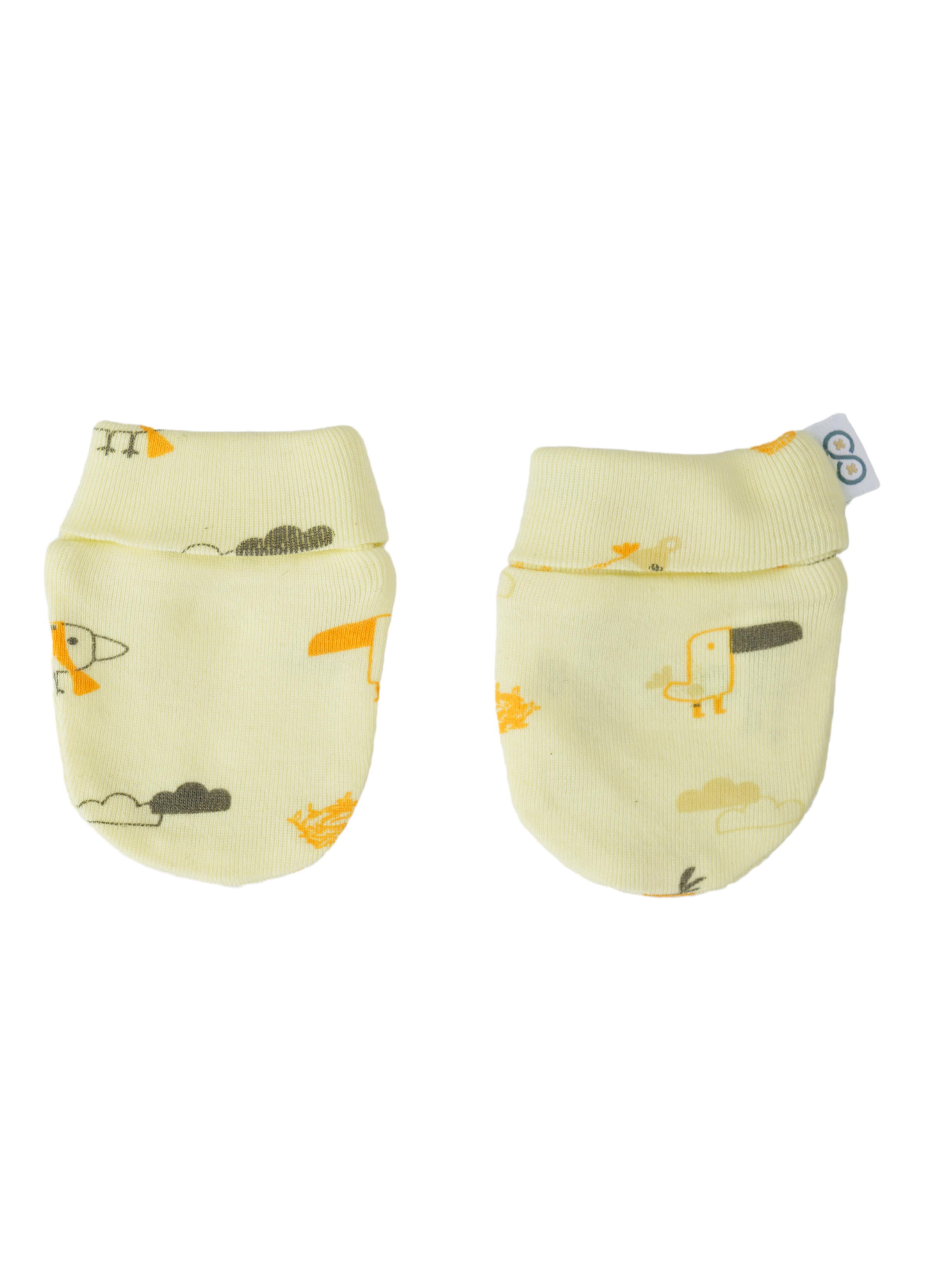
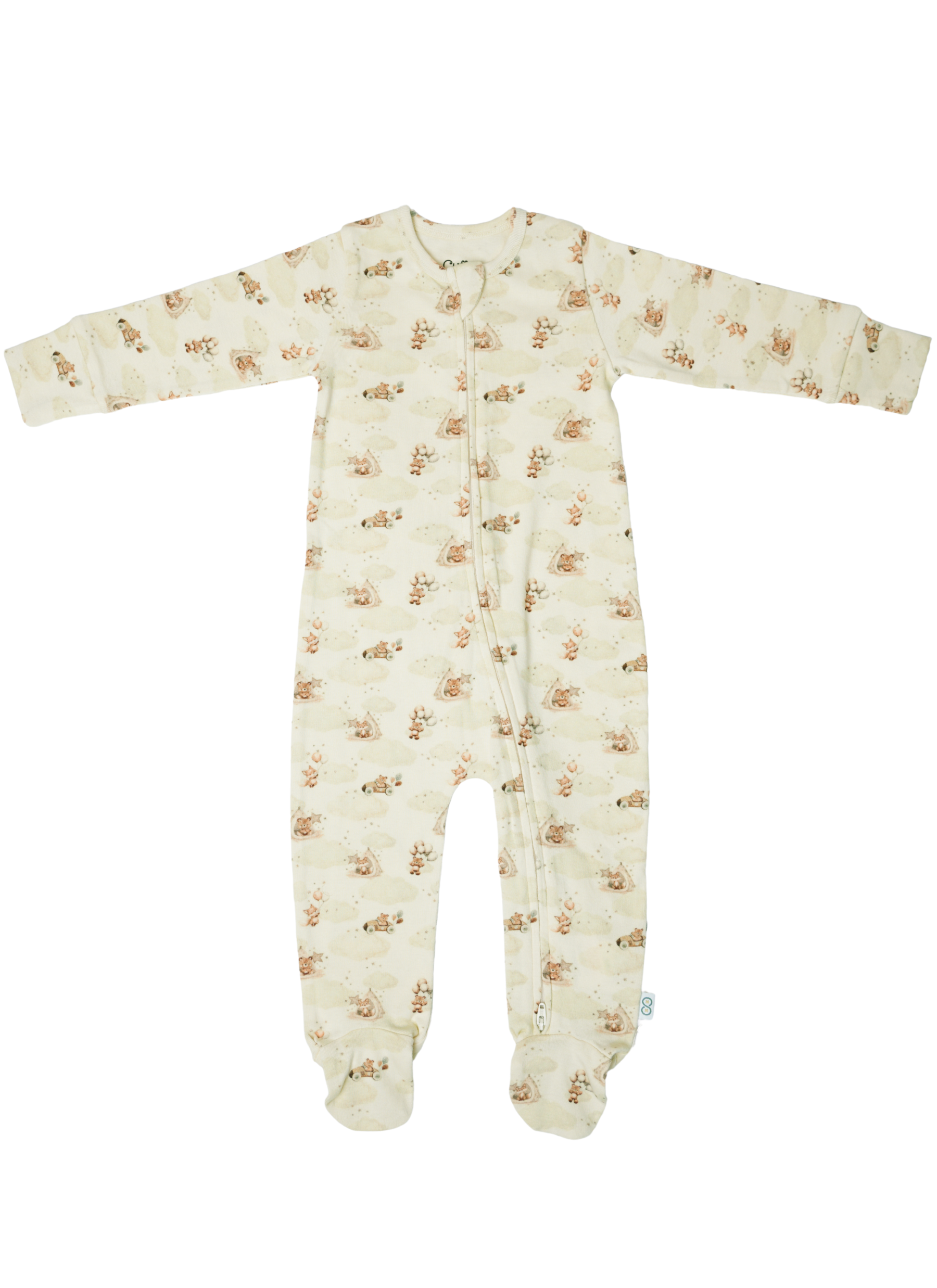
- Wear clothes nearly all day
- Spend long hours sleeping in contact with fabric
- Can’t communicate discomfort clearly
This means substances that sit harmlessly on adult skin may be absorbed more easily by babies. Add to that the fact that babies:
And suddenly, fabric choice becomes more meaningful.
How Chemicals Can Affect Baby Skin and Health Over Time
Most babies won’t have immediate reactions to clothing. That’s important to say.
- Skin irritation or redness
- Dryness or itchiness
- Flare-ups in babies prone to eczema
- Increased sensitivity over time
But repeated, long-term exposure to certain substances may contribute to:
This isn’t about dramatic outcomes. It’s about reducing unnecessary triggers, especially for babies who already have sensitive skin.
Are Baby Clothes Chemically Treated During Manufacturing?
Yes - often they are.
This surprises many parents.
- Look smoother on store shelves
- Maintain shape during shipping
- Prevent mold during long transport
- Keep colors from fading quickly
Even soft, cute, baby-labeled clothing can be treated with chemicals to:
These treatments aren’t added to harm babies. They’re added to make clothes cheaper, faster to produce, and easier to sell.
Understanding this helps parents make sense of why washing new baby clothes before first use is so important.
Chemicals Commonly Found in Non-Organic Baby Clothing
- Conventional cotton grown with pesticides
- Heavier bleaching processes
- Synthetic dyes and finishes
- Less oversight across the supply chain
Non-organic baby clothes are more likely to involve:
This doesn’t mean every non-organic garment is dangerous. But it does mean there’s less transparency and fewer limits on what can be used.
Formaldehyde, Azo Dyes, and Finishing Chemicals — Simply Explained
Formaldehyde
Used to keep clothes wrinkle-free and prevent mold. In small amounts, it’s allowed - but it can irritate sensitive skin, especially with prolonged contact.
Azo dyes
Synthetic dyes that help clothing keep bright colors. Some break down into substances that may cause skin sensitivity in certain people.
Finishing chemicals
These include softeners and resins that make clothes feel smooth quickly. The softness isn’t always from the cotton itself - sometimes it’s from coatings.
Many parents notice that clothes treated this way feel different after a few washes.
Organic vs Non-Organic Baby Clothes: A Chemical Perspective
This is where confusion often sets in.
Organic cotton focuses mainly on how cotton is grown - without synthetic pesticides or GMOs. That’s a strong starting point.
- Chemical-free dyes
- Non-toxic finishes
- Safe processing after harvesting
However, organic cotton does not automatically guarantee:
So while organic is better than conventional in many cases, it isn’t always the final answer for parents seeking the lowest chemical exposure.
Are Organic Baby Clothes Truly Chemical-Free?
This is an important question - and the answer is nuanced.
- Usually reduce pesticide exposure
- Often use gentler processing methods
- May still contain dyes or finishes
Organic baby clothes:
Some organic brands go further than others. The label alone doesn’t tell the whole story — certification and transparency matter.
Why GOTS-Certified Clothes Generally Contain Fewer Harmful Chemicals
This is where certification becomes helpful.
- Which chemicals can be used (many are banned)
- How fabrics are dyed and finished
- Residue limits suitable for babies
- Ongoing audits of the supply chain
GOTS (Global Organic Textile Standard) doesn’t just look at cotton farming. It sets strict rules for:
For parents, this doesn’t mean “zero chemicals.” It means far fewer and far safer ones.
Long-Term Risks of Repeated Chemical Exposure in Babies
It’s important to stay grounded here.
One outfit won’t harm a baby.
One exposure isn’t a crisis.
- Increase skin sensitivity
- Trigger chronic dryness or rashes
- Make eczema harder to manage
But over time, repeated contact with irritants can:
Reducing exposure early is about prevention, not panic.
Signs Your Baby’s Clothes May Be Causing Irritation
Clothing-related reactions can look subtle.
- Red patches where clothing fits snugly
- Rashes that appear after wearing certain outfits
- Increased scratching or fussiness after dressing
- Improvement when switching fabrics
Watch for:
If symptoms persist, a pediatrician or dermatologist can help determine the cause.
Common Washing Mistakes That Increase Chemical Exposure
Many parents don’t realize that washing habits matter just as much as what you buy.
- Skipping the first wash before wear
- Using heavily scented detergents
- Overusing fabric softeners
- Washing baby clothes with adult laundry
Common mistakes include:
Simple changes here can significantly reduce exposure.
How Parents Can Realistically Reduce Chemical Exposure
Perfection isn’t the goal. Practical steps are.
- Wash new clothes before first use
- Choose simpler fabrics with fewer prints
- Prioritize certified clothing for sleepwear
- Avoid strong fragrances in detergents
- Pay attention to your baby’s skin signals
You can:
Small changes add up.
How to Choose Truly Chemical-Free (or Lower-Chemical) Baby Clothes
No clothing is 100% chemical-free - but some come closer than others.
- Clear certifications
- Transparent brand explanations
- Simple, undyed or lightly dyed fabrics
- Honest labeling without vague claims
Look for:
Trust brands that educate rather than oversell.
What Parents in Canada and the USA Should Look For
In both Canada and the USA, baby clothing safety regulations exist - but the term “organic” in textiles isn’t regulated as strictly as food.
That’s why many parents rely on third-party standards like GOTS as an added layer of reassurance, especially for newborn clothing and sleepwear.
A Calm, Reassuring Bottom Line
If this topic feels heavy, that’s understandable. But here’s the grounding truth:
You don’t need to eliminate every possible exposure.
You don’t need to feel guilty about clothes you already own.
You don’t need to make drastic changes overnight.
Awareness is powerful - and it’s enough.
By understanding how baby clothes are made, recognizing common irritants, and choosing safer options when you can, you’re already doing something meaningful for your child.
The goal isn’t perfection.
It’s thoughtful care - and you’re already practicing that.