If you’re shopping for baby clothes right now, chances are you’ve seen the words “organic cotton” everywhere. On tags. On websites. In Instagram captions. And naturally, most parents assume: organic equals safe.
That assumption makes sense. You’re trying to protect a tiny human with incredibly delicate skin, and “organic” feels like the responsible choice.
But then another term shows up: GOTS Certified Organic Cotton
Suddenly, the certainty fades.
Is this just another label?
Is organic cotton already enough?
Or is there actually a real safety difference for babies?
You’re not alone in this confusion. In fact, this is one of the most common questions cautious parents ask when choosing clothes for babies aged 0–18 months. Let’s slow it down, clear the noise, and walk through this calmly—without fear, pressure, or marketing fluff.
What Is GOTS Certified Organic Cotton and How Is It Different?
Let’s start with the basics, in plain language.
GOTS Certified Organic Cotton refers to cotton that meets the standards of the Global Organic Textile Standard. But here’s the key part many parents miss:
GOTS doesn’t just care about how the cotton is grown.
It cares about everything that happens after the cotton is picked.
- Organic cotton is about the farm
- GOTS Certified Organic Cotton is about the entire journey—from farm to finished baby outfit
Think of it like this:
- How the cotton is cleaned and spun
- What chemicals (if any) are used to dye or soften it
- How the fabric is finished
- How it’s stitched, washed, and handled
- Whether it meets strict safety limits for residues
That journey includes:
For baby clothing, this matters more than most people realize.
Best product links:

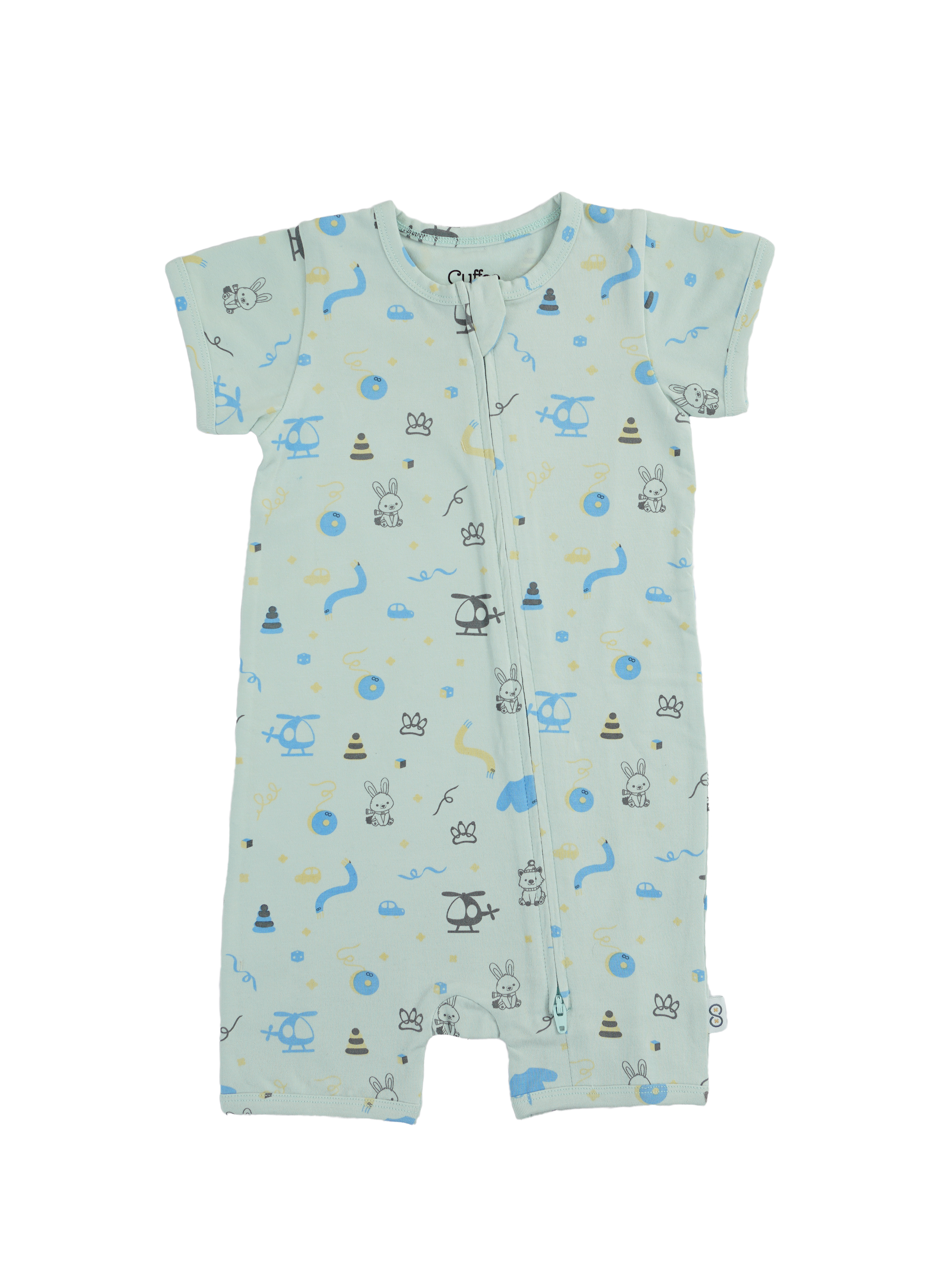
What “Organic Cotton” Usually Means — and What It Doesn’t
When a label says organic cotton, it typically means the cotton plant was grown without synthetic pesticides, toxic fertilizers, or GMO seeds. That’s a good thing. No argument there.
But here’s where the gap appears.
In many cases, organic cotton labeling stops at farming.
- Chemical dyes used later
- Bleaching agents
- Fabric softeners
- Anti-wrinkle or anti-shrink finishes
- Printing inks
- Residues left after processing
What it often does not cover:
This is where many parents are surprised. Cotton can be grown organically and still be treated with substances that aren’t ideal for newborn skin.
That doesn’t mean all organic cotton baby clothes are unsafe. It means organic alone doesn’t guarantee full safety, especially for babies with sensitive skin.
What GOTS Certified Organic Cotton
This is where GOTS adds meaningful value.
- Chemical use: Many common textile chemicals are banned entirely
- Dyes and finishes: Only low-impact, non-toxic dyes are allowed
- Residue limits: Fabric must meet safety thresholds suitable for infants
- Traceability: The supply chain is audited, not guessed
- Consistency: Certification isn’t self-declared—it’s verified
For baby clothing, GOTS certification sets strict rules on:
In simple terms, GOTS reduces the “unknowns” in baby clothing.
For a newborn who wears clothes 20+ hours a day, that reduction matters.
Is Organic Cotton Enough for Newborn Safety?
This is the honest, balanced answer most parents want.
For some babies, yes.
For others, maybe not.
- Has no skin sensitivities
- Rarely develops rashes
- Tolerates different fabrics well
If your baby:
High-quality organic cotton clothing may be perfectly fine.
- Has eczema or very reactive skin
- Gets redness easily
- Spends long hours in the same outfit (sleep, swaddling, car rides)
- Is under 6–9 months with very immature skin barriers
But if your baby:
Then GOTS certified cotton often offers extra reassurance, not because organic is “bad,” but because GOTS removes more potential irritants.
GOTS vs Organic Cotton: Side-by-Side for Babies
Here’s a clear, parent-friendly comparison to help visualize the difference.
| Aspect | GOTS Cotton | Organic (Non-GOTS) |
|---|---|---|
| Farming method | Organic | Organic |
| Processing chemicals | Strictly limited | Varies widely |
| Dyes & finishes | Non-toxic only | Not always regulated |
| Infant safety focus | Yes | Not guaranteed |
| Supply chain checks | Mandatory audits | Often self-declared |
| Best for sensitive skin | Yes | Depends on the brand |
This table isn’t about winners and losers. It’s about levels of certainty.
Hidden Risks in Non-Certified or Loosely Labeled Organic Cotton
This is where greenwashing can sneak in—often unintentionally.
- “Organic cotton” may refer to just one component of the garment
- Blends can dilute organic content without clear disclosure
- Prints and trims may not follow the same standards as the base fabric
- Softness can come from chemical treatments, not fiber quality
Some common issues parents don’t realize:
None of this means brands are evil. It means labels don’t always tell the full story unless backed by certification.
Baby Skin Concerns: Newborns, Eczema, and Sensitivity
A baby’s skin isn’t just smaller-it’s fundamentally different.
- Thinner outer layer
- Higher absorption rate
- Slower recovery from irritation
This is why fabrics that seem fine for adults can cause issues for babies.
- Eczema
- Persistent diaper-area irritation
- Heat rashes
- Unexplained redness
Parents dealing with:
Often notice that simpler, cleaner fabrics help. GOTS Certified Organic Cotton doesn’t treat skin conditions, but by removing common triggers, it can reduce flare-ups for some babies.
Which Cotton Is Safest for Babies 0–18 Months?
- Best overall for maximum safety margin: GOTS certified cotton
- Good option for low-risk babies: High-quality organic cotton from transparent brands
- Less ideal: Non-certified cotton with vague claims
If we’re answering this as a safety-focused guide, not a marketer, the answer looks like this:
Safety isn’t binary. It’s a spectrum.
- GOTS cotton for newborn and sleepwearn
- Organic cotton for outer layers or short wear times
Many parents choose:
That’s a reasonable, balanced approach—especially when budgets matter.
Common Mistakes Parents Make When Choosing “Organic” Baby Clothes
You’re not doing anything wrong if you’ve done one of these.
1. Assuming “organic” automatically means chemical-free
2. Trusting soft feel without checking how softness was achieved
3. Overlooking dyes, prints, and trims
4. Thinking higher price equals higher safety
Learning this isn’t about guilt. It’s about clarity.
How to Choose Safer Cotton Baby Clothes in Real Life
You don’t need to overcomplicate this.
- Look for clear certification, not vague wording
- Check if safety claims apply to the whole garment, not just fabric
- Prioritize GOTS for clothes worn longest (sleep, daily wear)
- Wash new clothes before first wear-always
- Observe your baby’s skin; it tells you more than labels ever will
A simple, realistic checklist:
What Parents in Canada and the USA Should Know
In the USA and Canada, textile labeling laws can vary, and the word “organic” in clothing isn’t regulated the same way it is in food.
That’s why many parents rely on international standards like GOTS Certified Organic Cotton as a consistent benchmark—especially when baby clothes are manufactured globally.
Whether you’re shopping online or locally, certification provides continuity across borders.
A Reassuring Bottom Line
Here’s the truth most parents appreciate hearing:
You don’t need to make perfect choices.
You need to make informed ones.
Organic cotton is a positive step.
GOTS certified cotton goes further by addressing what happens after the farm—where many hidden irritants appear.
If choosing GOTS helps you feel calmer dressing your baby each day, that peace of mind has value. And if organic cotton works well for your child, that’s valid too.
What matters most is that you’re paying attention.
That care already puts your baby in good hands.