Sustainable clothing is no longer a passing trend-it’s a reflection of changing values.
Today’s conscious consumers don’t just look for style. They look for integrity. They want clothing that feels good, is made responsibly, and aligns with the kind of future they want to support.
Across the USA and Canada, interest in sustainable fashion, eco-friendly clothing, and ethical brands continues to grow. What was once niche is now becoming essential.
But sustainability has evolved.
It’s no longer about green marketing or recycled tags. It’s about systems, standards, and long-term responsibility.
That’s where premium sustainable clothing emerges—not as fast fashion rebranded, but as organic, ethical, and environmentally responsible fashion done properly.
What Sustainable Clothing Truly Means Today
- Where the fiber is grown
- How it is processed
- Who makes it
- How long it lasts
- What impact it leaves behind
Sustainable clothing considers the entire lifecycle of a garment:
- Environmentally responsible materials
- Ethical and transparent production
- Durability over disposability
- Reduced environmental footprint
Premium sustainable clothing focuses on:
Sustainability isn’t a marketing feature.
It’s an operational commitment.
Eco-Friendly Clothing vs Environmentally Friendly Clothing
These terms are often used interchangeably—but there is a meaningful distinction.
Eco-friendly clothing typically refers to garments made from lower-impact materials, such as organic cotton.
Environmentally friendly clothing goes further, examining the full production process—including water usage, energy consumption, and waste management.
Truly sustainable brands integrate both.
They don’t treat sustainability as a trend.
They treat it as a system.
Best product links:
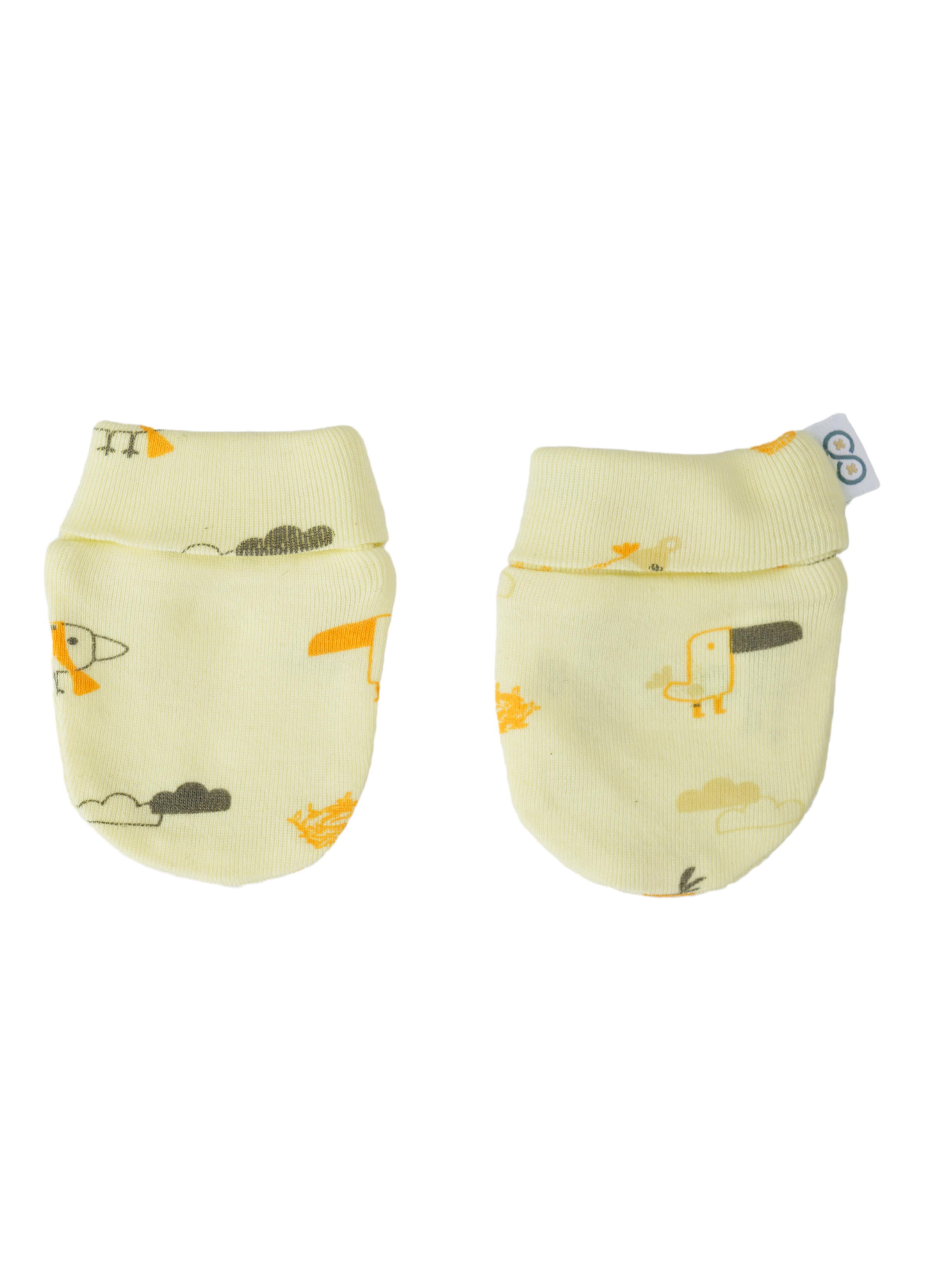
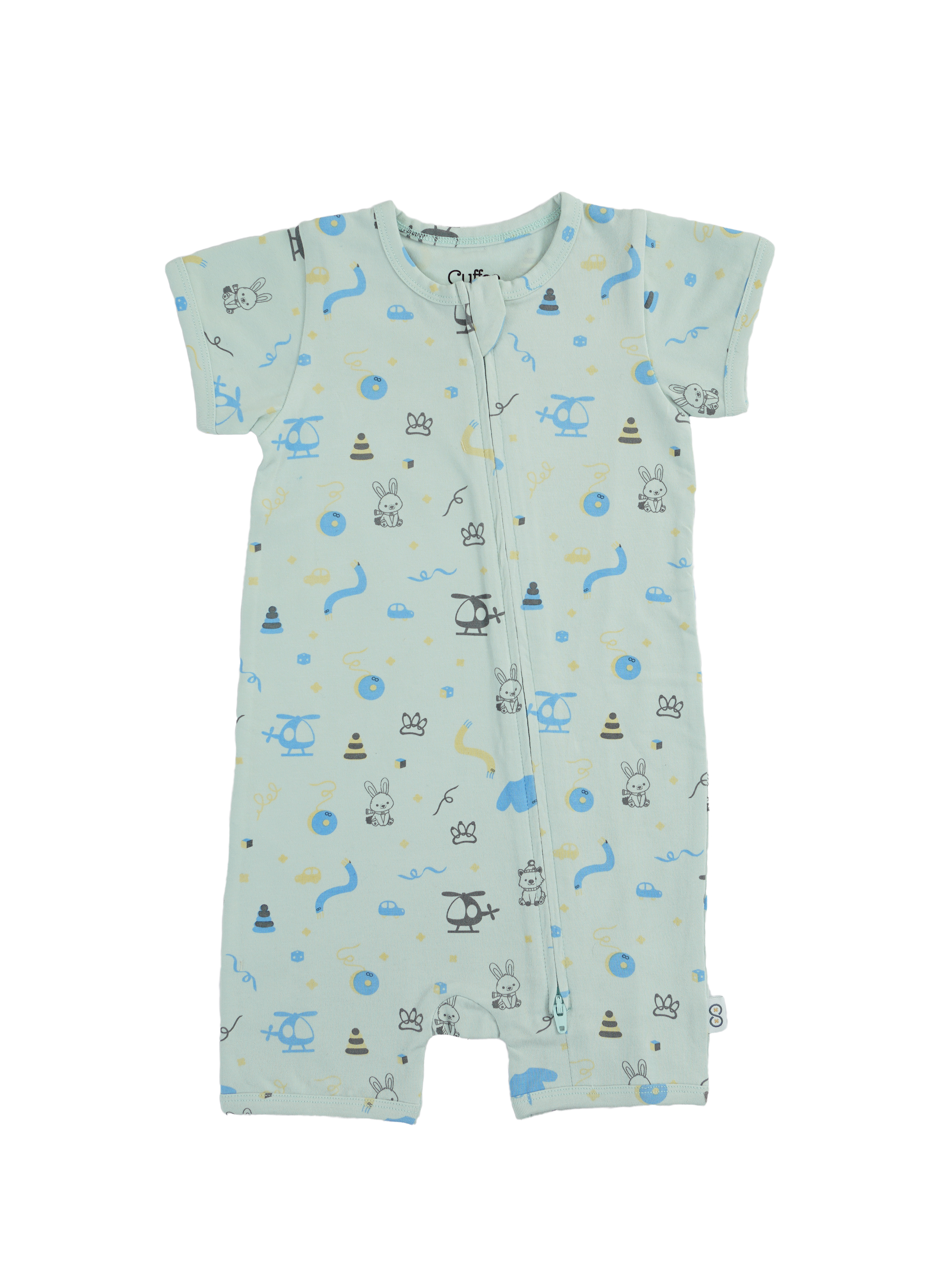
Ethical & Sustainable Fashion: The Foundation of Premium Brands
Ethical and sustainable fashion centers on accountability.
- Who made this garment?
- Were workers treated fairly?
- Is the supply chain transparent?
- Does the brand stand behind its sourcing practices?
It asks:
Premium sustainable brands invest in responsible sourcing and ethical production—not because it’s easy, but because it reflects long-term thinking.
When ethics guide production, quality often follows.
You can feel it in the way a garment drapes, breathes, and endures.
Why Sustainable Clothing Is Moving Toward Premium
Fast fashion encouraged consumers to buy more.
What’s gentler on the planet is often gentler on babies.
Sustainable fashion encourages them to buy better.
- Consumers value longevity over disposability
- Organic fabrics provide superior comfort
- Timeless design remains relevant
- Fewer, better pieces reduce waste
Premium sustainable clothing is growing because:
This shift has contributed to the rise of sustainable luxury brands-brands that prioritize craftsmanship and responsibility over rapid production cycles.
Luxury today is being redefined.
Responsibility is becoming part of its meaning.
Sustainable Luxury Brands Are Redefining Fashion
Luxury and sustainability were once considered separate worlds.
Today, forward-thinking sustainable luxury brands understand that true luxury includes accountability.
- Organic and natural fabrics
- Responsible dyeing and finishing practices
- Timeless design
- Transparent sourcing
Modern premium sustainable brands focus on:
This isn’t about excess.
It’s about excellence built to last.
The Role of Sustainable Fabrics in Premium Clothing
Fabric choice defines the integrity of a garment.
Premium sustainable clothing begins with materials selected for both performance and environmental responsibility.
- Organic cotton
- Natural cotton weaves and muslin
- Responsibly processed plant-based fibers
Common sustainable fabrics include:
Among these, organic cotton remains one of the most trusted foundations in sustainable fashion. It delivers softness, breathability, and long-term durability—qualities that align with premium expectations.
Material integrity is where sustainability begins.
Responsible Dyeing Standards: The Invisible Difference
Color and finish should never compromise quality or safety.
Premium sustainable clothing brands prioritize responsible dyeing processes that align with recognized global textile standards. One important benchmark in modern textile safety is the use of azo-free dyes, which are formulated to avoid certain harmful compounds restricted under international regulations.
By adhering to these higher standards, brands ensure that garments maintain color integrity, durability, and comfort-without unnecessary compromise.
The difference may not always be visible.
But it influences how clothing performs, feels, and lasts over time.
Sustainable Slow Fashion: Fewer Pieces, Greater Purpose
Sustainable slow fashion challenges the idea that clothing should be disposable.
- Intentional design
- Responsible production timelines
- Long-term wearability
- Versatility across seasons
It emphasizes:
Slow fashion isn’t about limiting choice.
It’s about refining it.
Eco-Friendly Fashion Brands vs Truly Sustainable Brands
Not all eco-friendly fashion brands operate with the same level of accountability.
Some focus on aesthetic storytelling.
Others focus on measurable impact.
- Certified materials
- Ethical labor practices
- Transparent supply chains
- Reduced environmental footprint
Truly sustainable fashion companies invest in:
Certification and traceability separate intention from proof.
Organic Cotton Fashion: Where Comfort Meets Responsibility
Organic cotton fashion has become a cornerstone of premium sustainable clothing.
- Breathability
- Natural softness
- Durability
- Alignment with responsible agricultural practices
It offers:
- Healthier soil systems
- Reduced reliance on synthetic pesticides
- Improved environmental stewardship
Beyond comfort, organic cotton supports:
It’s a fabric that balances performance with purpose.
Sustainability in the USA & Canada: A Conscious Shift
Across the United States and Canada, consumers are becoming increasingly intentional.
Search trends for sustainable clothing brands, eco-friendly fashion, and ethical companies continue to grow.
This reflects a deeper awareness: clothing choices are connected to environmental impact and long-term well-being.
Consumers are no longer asking only, “Does it look good?”
They’re asking, “Does it align with my values?”
Cuffoo’s Perspective on Premium Sustainable Clothing
At Cuffoo, sustainability is not an add-on-it’s foundational.
- GOTS-certified organic cotton
- Thoughtful, minimal design
- Ethical production values
- Long-lasting quality
Our approach to premium sustainable clothing centers on:
We believe sustainability should feel clean, confident, and uncompromisingly premium.
Not performative.
Not exaggerated.
But intentional and consistent.
A The Future of Fashion Is Conscious—and Premium
Sustainable clothing represents more than environmental awareness.
It represents alignment.
- Comfort and responsibility
- Aesthetics and ethics
- Quality and accountability
Alignment between:
The future belongs to brands that understand this balance—and to consumers who choose better rather than more.
That future is organic.
That future is ethical.
That future is premium sustainable clothing.