When shopping for baby clothes, many parents assume that “100% cotton” automatically means safe. Cotton feels soft, breathable, and natural, so it’s easy to believe all cotton fabrics are created equal. But when it comes to baby skin — especially newborns and infants — organic cotton and regular cotton are not the same, and the difference matters more than most parents realize.
This guide explains the real differences between organic cotton vs regular cotton, how each affects baby skin, and how to make a confident fabric choice without falling for misleading labels.
Organic Cotton vs Regular Cotton: What’s the Real Difference?
The biggest difference between organic and regular cotton starts long before the fabric becomes baby clothing.
Regular cotton is typically grown using synthetic pesticides, insecticides, and chemical fertilizers. These substances help increase crop yield, but traces can remain on fibers even after processing. Once harvested, regular cotton often goes through chemical treatments, bleaching, and dyeing to achieve a consistent look and feel.
Organic cotton, on the other hand, is grown without harmful pesticides or synthetic chemicals. Certified organic cotton is processed under strict guidelines that limit toxic substances at every stage - from farming to finishing. For baby clothing, this means fewer chemical residues coming into contact with sensitive skin.
Why Baby Skin Needs Special Fabric Consideration
Baby skin is thinner, more absorbent, and still developing its natural protective barrier, especially during the first year of life. Because of this, substances that come into contact with baby skin can be absorbed more easily than they would be by adult skin.
Regular cotton clothing may contain residues from pesticides, dyes, or finishing agents. While these levels may be considered acceptable for adults, they can still trigger irritation, dryness, or sensitivity in babies.
Organic cotton is processed with skin safety in mind, making it a gentler option for newborns, infants, and babies with eczema or sensitive skin.
Is Organic Cotton Safe for Babies?
Organic cotton is widely considered safer for babies because it reduces exposure to harsh chemicals commonly used in conventional cotton production.
- It is less likely to cause irritation or allergic reactions
- It feels softer against delicate skin
- It allows better airflow, reducing overheating
For babies who spend most of their day in close contact with clothing, sleepwear, blankets, and burp cloths, fabric safety plays a daily role in comfort.
Is 100% Cotton the Same as Organic Cotton?
This is one of the most common points of confusion for parents.
A label that says “100% cotton” only describes the fiber content, not how the cotton was grown or processed. Regular cotton can still be 100% cotton while being treated with chemicals during farming and manufacturing.
Organic cotton labels indicate stricter standards, especially when certified by recognized systems such as GOTS. Certification ensures that the cotton meets safety, environmental, and processing guidelines suitable for baby use.
Best product links:
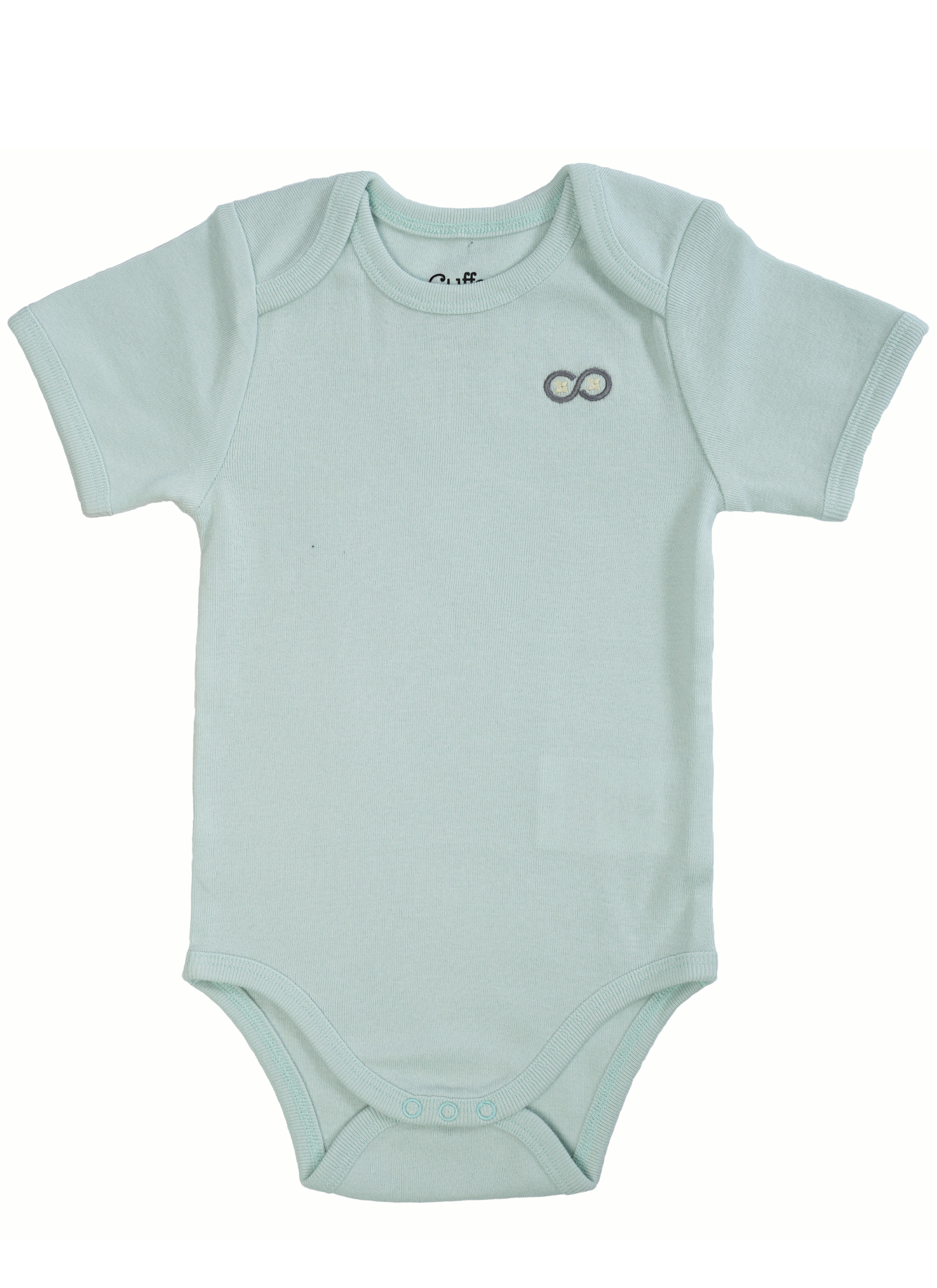
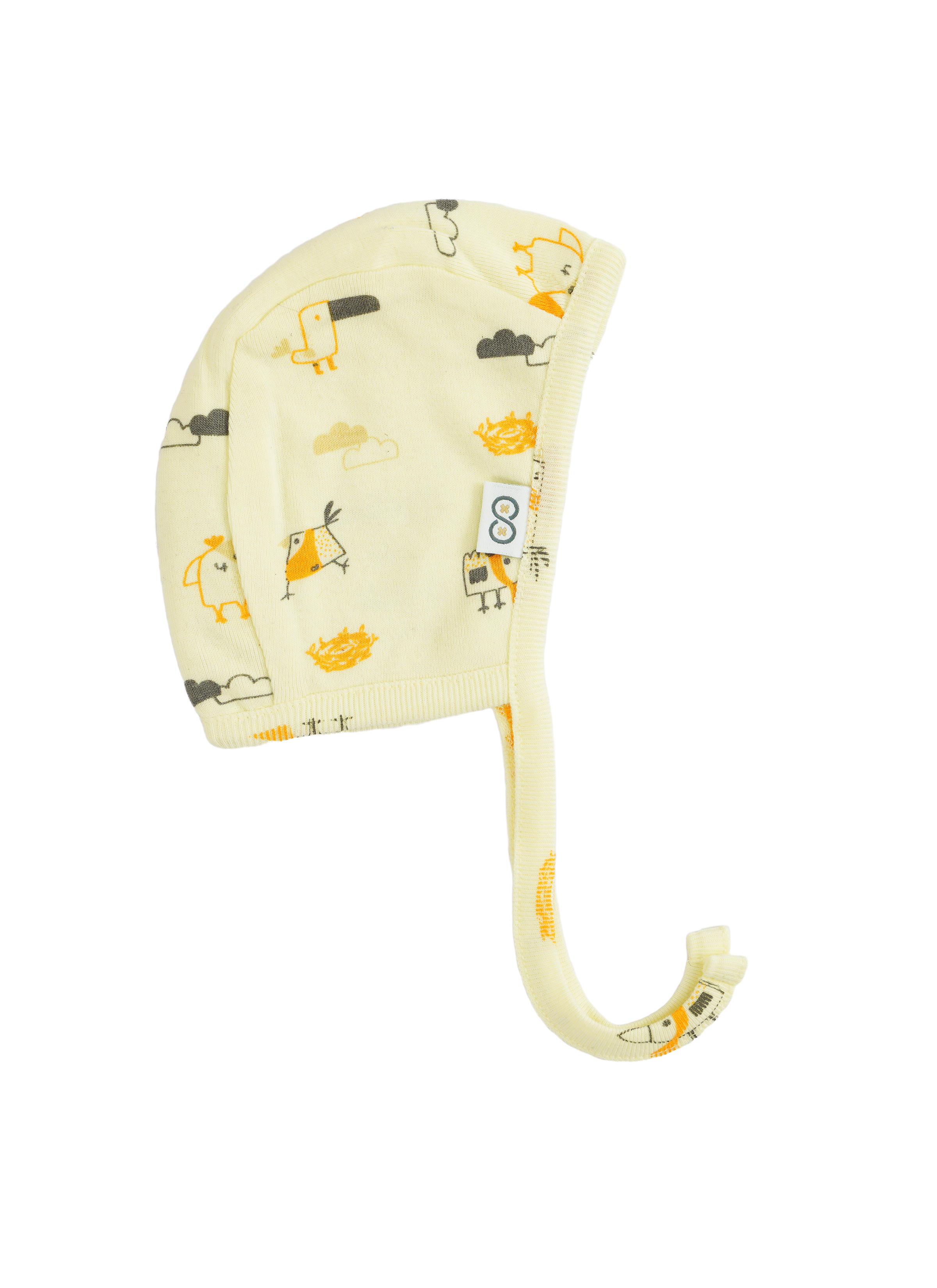
Chemicals Used in Regular Cotton Baby Clothes
- Pesticides used during cotton farming
- Chemical dyes and bleaches
- Fabric softeners and finishing agents
- Formaldehyde-based treatments for wrinkle resistance
Regular cotton baby clothes may be exposed to substances such as:
While not all regular cotton clothing will cause issues, repeated exposure over time can increase the risk of skin irritation for some babies.
Organic Cotton for Baby Skin: Why Parents Notice the Difference
Many parents report that organic cotton baby clothes feel softer and more breathable over time. This is because organic cotton fibers are not weakened or stiffened by harsh chemical treatments.
- Fewer skin flare-ups
- Better temperature regulation
- Improved comfort during sleep
- Longer-lasting softness after washing
Benefits parents often notice include:
These qualities are especially helpful for newborns who spend most of their day sleeping or being held.
Organic Cotton vs Regular Cotton for Newborns
Newborns benefit the most from organic cotton because their skin is at its most sensitive stage. Clothing, swaddles, and sleepwear made from organic cotton help reduce unnecessary exposure to irritants during this critical period.
Regular cotton may be sufficient for occasional wear, but for daily essentials like onesies, pajamas, and blankets, many parents prefer organic options for peace of mind.
Organic Cotton vs Regular Cotton for Sleepwear
Baby sleepwear stays in contact with skin for long periods, making fabric choice especially important.
Organic cotton pajamas and nightwear are breathable, gentle, and less likely to cause overheating or irritation. Regular cotton sleepwear may still be comfortable, but chemical treatments can affect breathability and softness over time.
Sustainability: Organic Cotton vs Regular Cotton
Beyond baby safety, fabric choice also impacts the environment
Organic cotton farming uses less water, avoids toxic chemicals, and supports healthier soil systems. Regular cotton farming is resource-intensive and contributes to chemical runoff and environmental strain.
For parents who care about sustainability and the world their child will grow up in, organic cotton aligns more closely with long-term values.
A Is Organic Cotton Worth the Extra Cost?
Many parents wonder if organic cotton baby clothes are worth the higher price tag.
- Reduced skin issues
- Longer-lasting quality
- Better resale or hand-me-down potential
- Peace of mind regarding safety
While organic cotton may cost more upfront, parents often find value in:
For items used daily, such as bodysuits, pajamas, and blankets, the investment often feels justified.
A Why Preemies and Sensitive Babies Benefit Most
Preemies and babies with eczema or allergies have especially fragile skin. Organic cotton clothing minimizes irritation risk and allows skin to breathe more naturally, making it a preferred choice in many neonatal care settings.
A How Cuffoo Approaches Fabric Safety
At Cuffoo, fabric choice starts with baby skin safety. Our baby clothing is made using GOTS-certified organic cotton, ensuring strict standards for fiber sourcing, processing, and finishing.
This approach helps parents feel confident that what touches their baby’s skin is clean, gentle, and responsibly made.
A Final Thoughts for Parents
- Not all cotton is created equal
- Organic cotton offers added safety and comfort for baby skin
- Fabric choice matters most during the newborn and infant stage
- Informed decisions reduce uncertainty and stress
Choosing organic cotton isn’t about perfection — it’s about making thoughtful choices for your baby’s comfort, health, and future.