If your baby has eczema or very sensitive skin, you’ve probably already learned one hard truth: there is no single magic fix. You moisturize. You change soaps. You follow bathing routines. And still, flare-ups happen.
If you’re here, it’s likely because you’re asking a quieter, more practical question: Could my baby’s clothes be part of the problem?
Pediatricians and dermatologists often say eczema management is about reducing triggers, not finding perfection. Clothing is one of those everyday factors that’s easy to overlook — not because parents don’t care, but because most people assume baby clothes are automatically gentle.
This guide is meant to support you, not overwhelm you. It won’t replace medical advice, and it won’t promise cures. Instead, it walks through how organic baby clothes can help sensitive, eczema-prone skin - and how to make calmer, safer clothing choices that many doctors quietly recommend.
Why Baby Skin Is More Sensitive Than Adult Skin
Baby skin looks soft and resilient, but biologically, it’s still developing.
- Is thinner and more permeable
- Loses moisture more quickly
- Has a weaker protective barrier
- Reacts faster to irritants
Compared to adults, a baby’s skin:
Dermatologists generally agree that this makes babies - especially those with eczema - more sensitive to friction, heat, and chemical residues. Clothing sits against the skin for long stretches of time, which is why fabric choice matters more than many parents expect.
This doesn’t mean you’ve done anything wrong. Most families learn this only after dealing with irritation firsthand.
Best Fabrics for Babies with Sensitive Skin
When pediatricians talk about eczema-friendly clothing, they usually focus on softness, breathability, and simplicity.
- Organic cotton
- Undyed or lightly dyed natural fibers
- Smooth, tightly woven fabrics
Fabrics that tend to work well include:
Best product links:
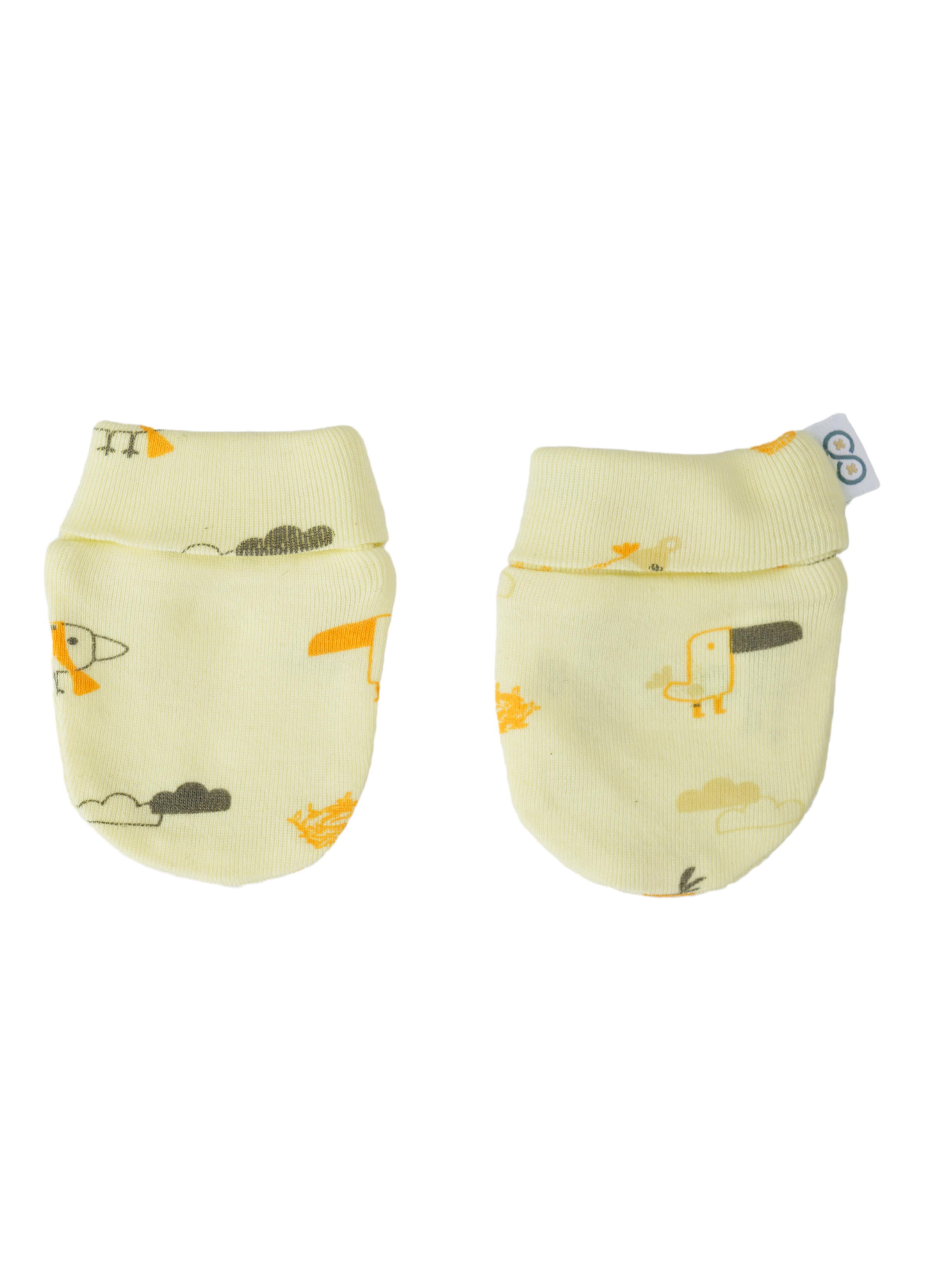
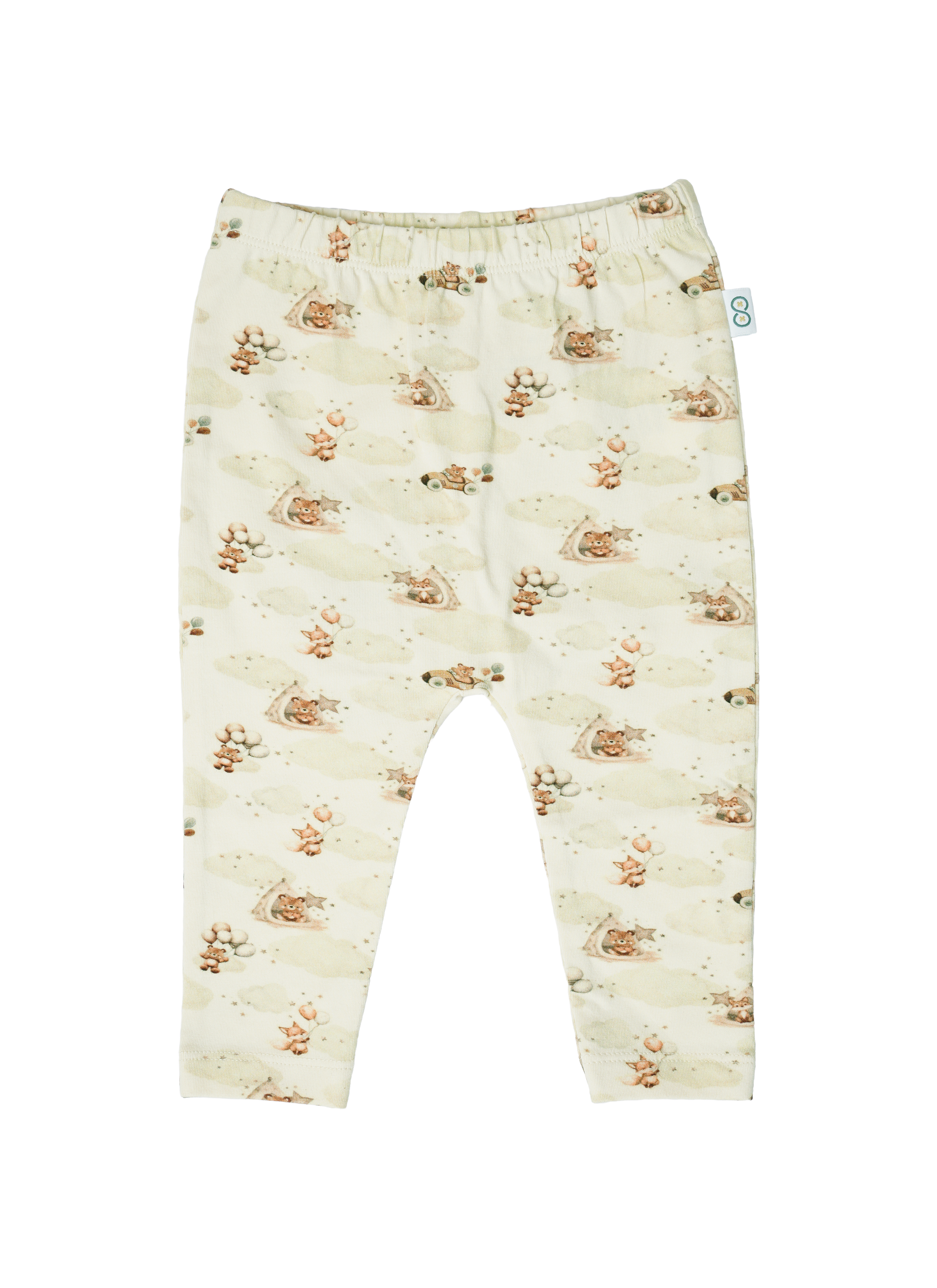
These materials reduce friction, allow airflow, and are less likely to trap heat — all of which can help calm sensitive skin.
Synthetic blends and rough textures don’t automatically cause eczema, but they can worsen discomfort in babies who are already prone to irritation.
How Clothing Affects Baby Eczema
Eczema isn’t just about dryness. It’s about a disrupted skin barrier.
- Rubbing against inflamed areas
- Trapping heat and sweat
- Leaving chemical residues on the skin
- Preventing proper airflow
Clothing can affect eczema by:
Pediatric dermatologists often remind parents that eczema flare-ups are cumulative. A small irritant repeated daily - like an uncomfortable fabric - can contribute over time.
Doctor-Recommended Clothing for Baby Eczema
Doctors rarely prescribe specific brands. Instead, they recommend principles.
- Soft from the fiber itself (not chemical softeners)
- Breathable and lightweight
- Free from rough seams, tags, or embellishments
- Easy to wash thoroughly
Many pediatricians suggest choosing clothes that are:
That’s why many families gradually shift toward simple, organic cotton basics for everyday wear - especially items worn during sleep.
Why Organic Cotton Helps Reduce Eczema Flare-Ups
Organic cotton is often gentler because of how it’s grown and processed.
- Is grown without harsh pesticides
- Often undergoes gentler processing
- Is less likely to retain irritating residues
Pediatricians and dermatologists frequently note that organic cotton:
Is organic cotton guaranteed to fix eczema? No. But for many babies, it removes one potential trigger - which is often the goal in eczema care.
Best Fabrics for Babies with Eczema
When families ask doctors about the best fabric for eczema-prone skin, answers tend to be consistent.
- Organic cotton
- Soft bamboo blends (with caution around processing)
- Silk (less common, but sometimes helpful in severe cases)
Often recommended:
- Wool directly against the skin
- Polyester or nylon for prolonged wear
- Stiff or heavily textured fabrics
Often discouraged:
The key is how the fabric behaves on your baby’s skin over time, not how it looks on a hanger.
Signs Baby Clothes Are Irritating the Skin
Sometimes eczema isn’t triggered by food or weather — it’s mechanical.
- Redness where clothes fit snugly
- Irritation along seams or waistbands
- Flares after wearing certain outfits
- Improvement when switching to softer fabrics
Clothing may be contributing if you notice:
If you see patterns like this, clothing is worth examining - without assuming it’s the only cause.
Fabrics to Avoid if Your Baby Has Eczema
- Synthetic fabrics that trap heat
- Tight-fitting clothing
- Heavy dyes or prints
- Scratchy textures
Doctors don’t usually say “never,” but they often advise caution with:
Babies with eczema do best in clothes that get out of the way — letting the skin heal rather than compete with irritation
Organic vs Regular Baby Clothes for Eczema
This is where many parents get confused.
- Use conventional cotton treated with pesticides
- Be finished with chemicals to look soft or wrinkle-free
- Retain residues even after washing
Regular baby clothes may:
Organic baby clothes generally reduce these factors. They’re not medicine, but they often support eczema care by lowering everyday exposure to irritants.
Why GOTS-Certified Clothes Are Safer
Some organic labels only address farming. GOTS certification goes further.
- Restrict harmful dyes and finishes
- Limit chemical residues
- Audit processing and manufacturing
- Focus on skin safety for infants
GOTS-certified baby clothes:
For eczema-prone babies, this extra layer of oversight can offer peace of mind — especially for daily essentials like bodysuits or sleepwear.
How Chemicals Trigger Eczema in Babies
Chemicals don’t need to be extreme to cause problems.
- Formaldehyde finishes
- Synthetic dyes
- Fabric softeners
Dermatologists often point to:
These substances can irritate compromised skin barriers, especially with prolonged contact. Reducing exposure doesn’t cure eczema, but it can help calm the environment your baby’s skin lives in.
Washing Mistakes That Worsen Baby Eczema
Even the best clothes can irritate skin if washing habits work against you.
- Using scented detergents
- Overloading the washing machine
- Skipping extra rinse cycles
- Using fabric softeners
Common mistakes include:
Pediatricians often recommend fragrance-free detergents and thorough rinsing — especially for babies with eczema.
What Pediatricians Recommend for Baby Eczema
- Gentle bathing routines
- Consistent moisturizing
- Identifying triggers
- Choosing appropriate clothing
Doctors usually emphasize a layered approach:
Clothing alone won’t solve eczema, but it’s one of the few factors parents can control daily.
How to Choose Clothes for Babies with Eczema
- Is this fabric soft without chemical softness?
- Will this be worn for long periods (sleep, play)?
- Are seams and tags minimal?
- Is the processing transparent or certified?
When shopping, many parents find it helpful to ask:
Starting with basics - like simple bodysuits or sleepers - is often more impactful than overhauling an entire wardrobe.
Baby Clothing Checklist for Eczema-Prone Skin
- Soft organic cotton bodysuits
- Loose-fitting sleepwear
- Minimal seams and tags
- Light, breathable layers
A practical starting point might include:
This isn’t a rulebook — just a gentle framework many families find useful.
How GOTS Certification Protects Sensitive Skin
GOTS standards limit substances known to irritate skin and require regular testing. For babies with eczema, that translates to fewer unknowns.
Parents often choose GOTS-certified clothing not because it promises results, but because it reduces variables - which is often what eczema care is about.
Why GOTS Organic Cotton Is Ideal for Eczema
- Organic fiber sourcing
- Controlled chemical processing
- Skin-safety thresholds suitable for infants
GOTS-certified organic cotton combines:
For babies with eczema, this combination can make everyday clothing feel more predictable and less irritating.
Organic Baby Clothes for Eczema in Canada
- Certified materials
- Cold-weather layering without overheating
- Durable clothing that withstands frequent washing
In Canada, parents often prioritize:
Sustainable, organic basics fit well into these needs.
Organic Baby Clothes for Eczema in the USA
- GOTS-certified options
- Transparent baby clothing brands
- Eczema-aware product design
In the USA, parents have growing access to:
Across regions, the goal is the same: safer, calmer clothing for sensitive skin.
A Gentle Closing Thought
If you’re navigating baby eczema, you’re likely doing more than enough already.
Clothing isn’t a cure. But choosing organic, certified, low-irritation fabrics can be one meaningful step toward reducing daily triggers. Pediatricians often emphasize progress over perfection - and clothing is one area where small changes can quietly support healing.
Most families figure this out gradually. Trust that process. And remember: caring attention itself is one of the most powerful tools you have.