Choosing baby clothes sounds simple until you start reading labels. Many parents across the USA and Canada assume that if something feels soft and looks gentle, it must be safe for their baby. In reality, the difference between GOTS-certified baby clothes and regular baby clothes goes much deeper than softness or price.
Below is a clear, honest breakdown to help parents understand what actually matters.
Understanding What “Regular” Baby Clothes Really Mean
- Regular baby clothes are usually made from conventional cotton or cotton blends that are grown using chemical fertilizers and pesticides. While these clothes are widely available and often affordable, the production process is rarely transparent, leaving parents unaware of what the fabric has been exposed to.
- Most regular baby clothes go through chemical processing to achieve bright colors, stain resistance, or wrinkle-free finishes. These treatments are not always disclosed on labels, which means parents may not realize what their baby’s skin is touching every day.
- There is no universal safety standard that regular baby clothing brands must follow. This means quality, fabric treatment, and chemical exposure can vary widely from one brand to another.
What Makes GOTS-Certified Baby Clothes Different
- GOTS-certified baby clothes are made using certified organic fibers and must meet strict standards throughout the entire supply chain, not just at the cotton-growing stage. This includes spinning, dyeing, stitching, and finishing.
- GOTS certification limits and bans many harmful substances commonly used in textile manufacturing, including toxic dyes, heavy metals, formaldehyde, and harsh fabric finishes.
- Each GOTS-certified garment is traceable. Parents can verify certification details through official databases, which adds an extra layer of trust and accountability.
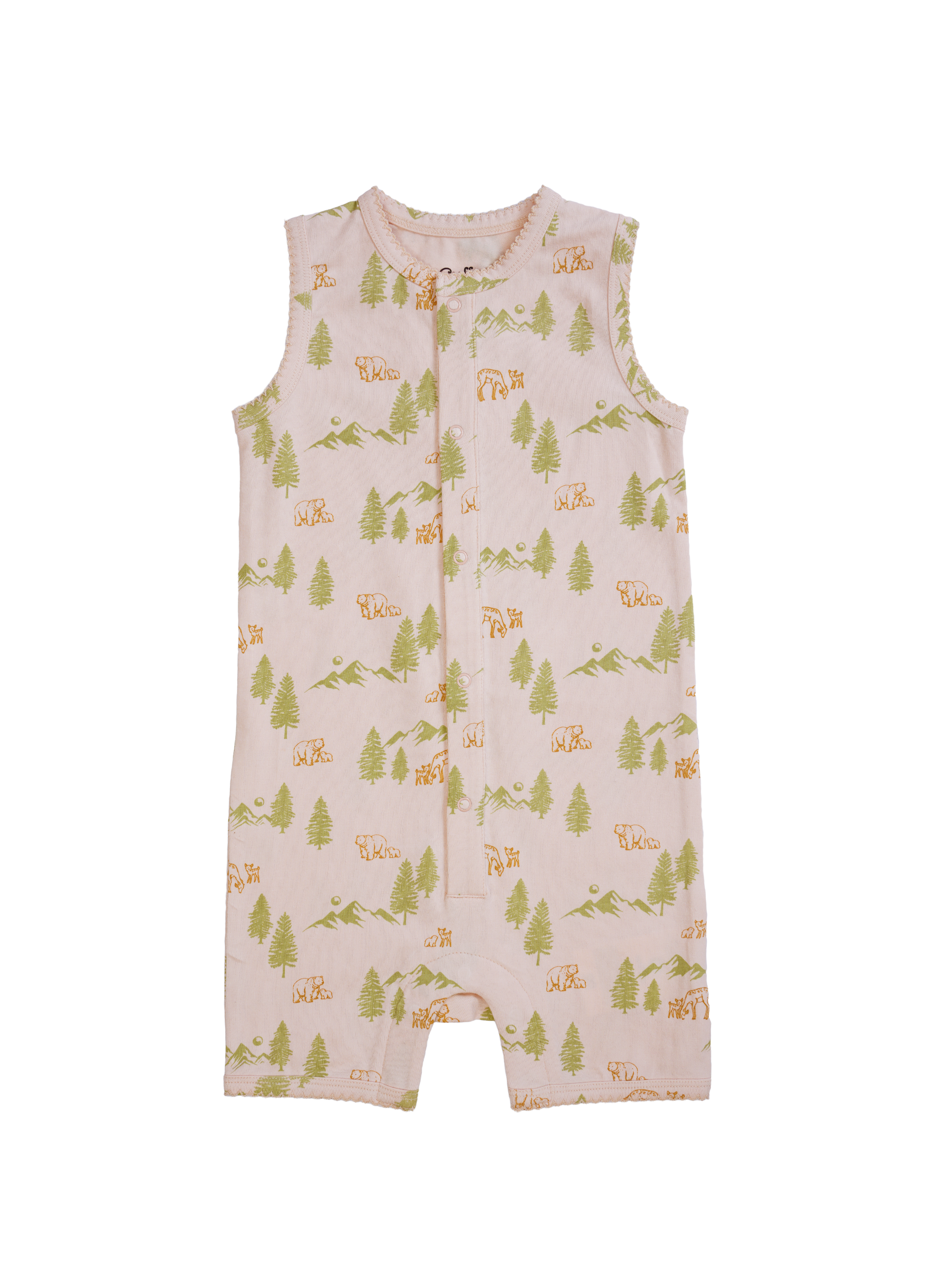
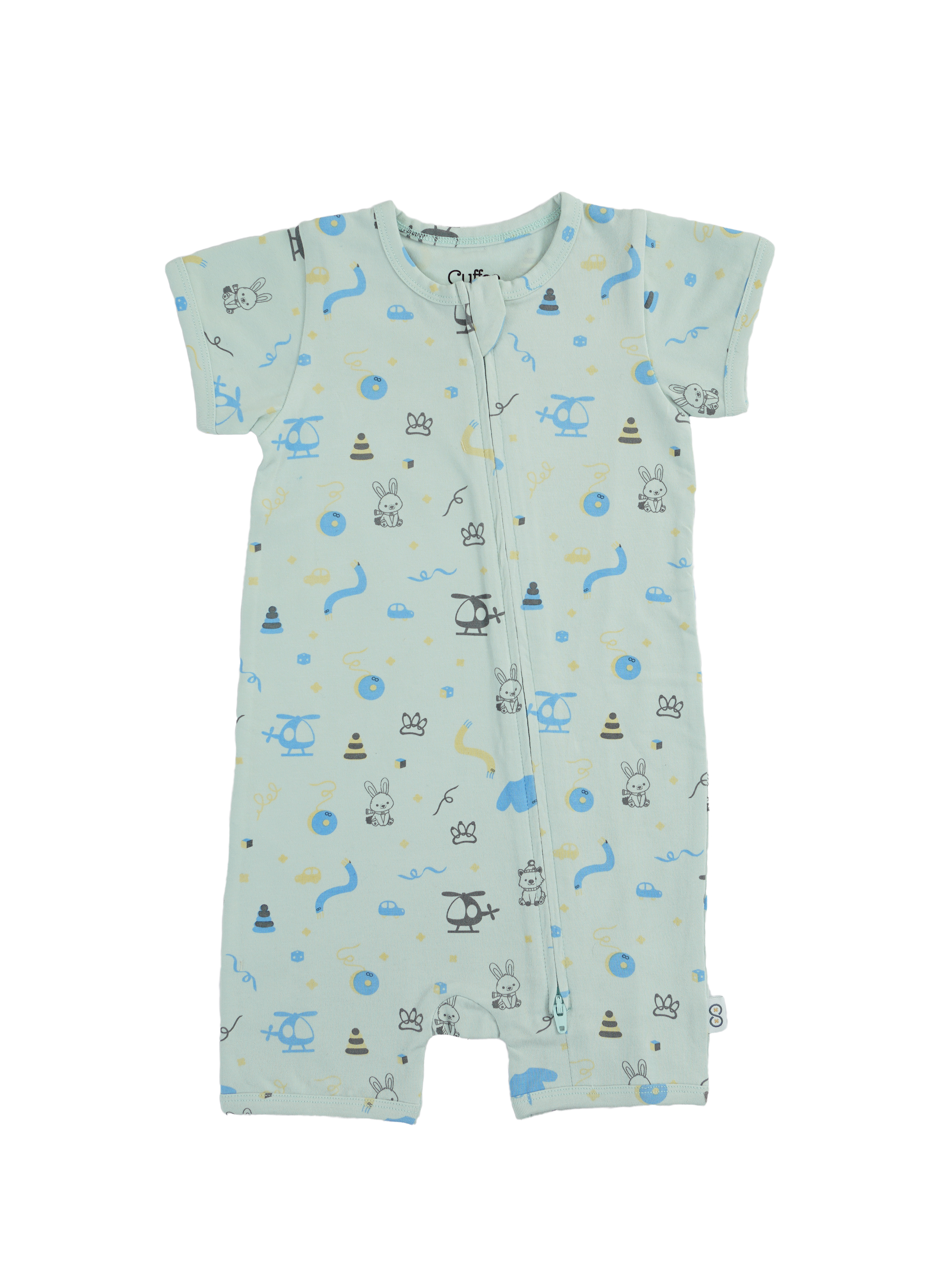
Best product links:
Baby Skin Sensitivity: Why Fabric Choice Matters
- Newborn and infant skin is thinner and more absorbent than adult skin, especially during the first year. This makes babies more vulnerable to irritation, rashes, and allergic reactions caused by chemicals in clothing.
- Regular baby clothes may feel soft at first, but chemical residues from dyes or finishes can still trigger skin discomfort over time, especially for babies with sensitive skin or eczema.
- GOTS-certified baby clothes are designed specifically to minimize skin exposure to harmful substances, making them a safer option for daily wear and sleepwear.
Chemical Exposure: A Key Difference Parents Often Miss
- Regular baby clothing may contain traces of chemicals used during farming, dyeing, or finishing, even if the fabric looks clean and harmless.
- GOTS-certified clothing strictly controls chemical use, ensuring that only approved, baby-safe substances are allowed during production.
- Reducing chemical exposure early in life is especially important because babies spend most of their time in close contact with their clothes.
Comfort and Breathability Over Time
- Conventional fabrics are often treated to improve appearance or durability, which can make them less breathable and less flexible over time.
- GOTS-certified organic cotton tends to be softer and more breathable because it hasn’t been chemically treated to alter its natural structure.
- Breathable fabrics help regulate body temperature, which is important for newborn comfort, especially during sleep.
Transparency and Trust in Baby Clothing Brands
- With regular baby clothes, parents often rely solely on brand promises without third-party verification.
- GOTS certification provides independent verification, giving parents confidence that the product meets consistent safety and quality standards.
- Transparent brands clearly explain their materials, certifications, and care instructions instead of using vague or misleading language.
Price vs Long-Term Value
- Regular baby clothes may appear more affordable upfront, but they may wear out faster or cause skin issues that lead to discomfort and extra costs.
- GOTS-certified baby clothes may cost slightly more initially, but many parents find them more durable and comfortable for everyday use.
- For clothing that babies wear for long hours, especially sleepwear and inner layers, quality often matters more than price.
Environmental and Ethical Considerations
- Regular baby clothing production often lacks oversight when it comes to environmental impact and labor practices.
- GOTS-certified clothing follows strict environmental standards and ethical guidelines, ensuring responsible production from farm to finished garment.
- For parents who care about sustainability and the future their child will grow up in, this can be an important deciding factor.
Which Baby Clothes Should Parents Choose?
- Regular baby clothes may be suitable for occasional wear or short-term use.
- GOTS-certified baby clothes are often preferred for daily wear, sleepwear, and clothing that stays in constant contact with baby skin.
- The choice isn’t about perfection; it’s about making informed decisions where safety and comfort matter most.
Why Parents Trust Cuffoo
- Cuffoo baby clothing is made using GOTS-certified organic cotton, ensuring higher safety standards for babies aged 0–18 months.
- Every design focuses on softness, breathability, and comfort for everyday use.
- Transparency is a priority, so parents know exactly what their baby is wearing and why it’s safe.
Final Thoughts for Parents
- The difference between GOTS-certified and regular baby clothes isn’t just marketing - it’s about verified safety, comfort, and trust.
- Choosing certified baby clothing helps reduce uncertainty and supports healthier choices for newborn skin.
- When it comes to what touches your baby’s skin every day, informed decisions make all the difference.